


Solar Panels: A Complete Guide to Sustainable Energy for Your Home
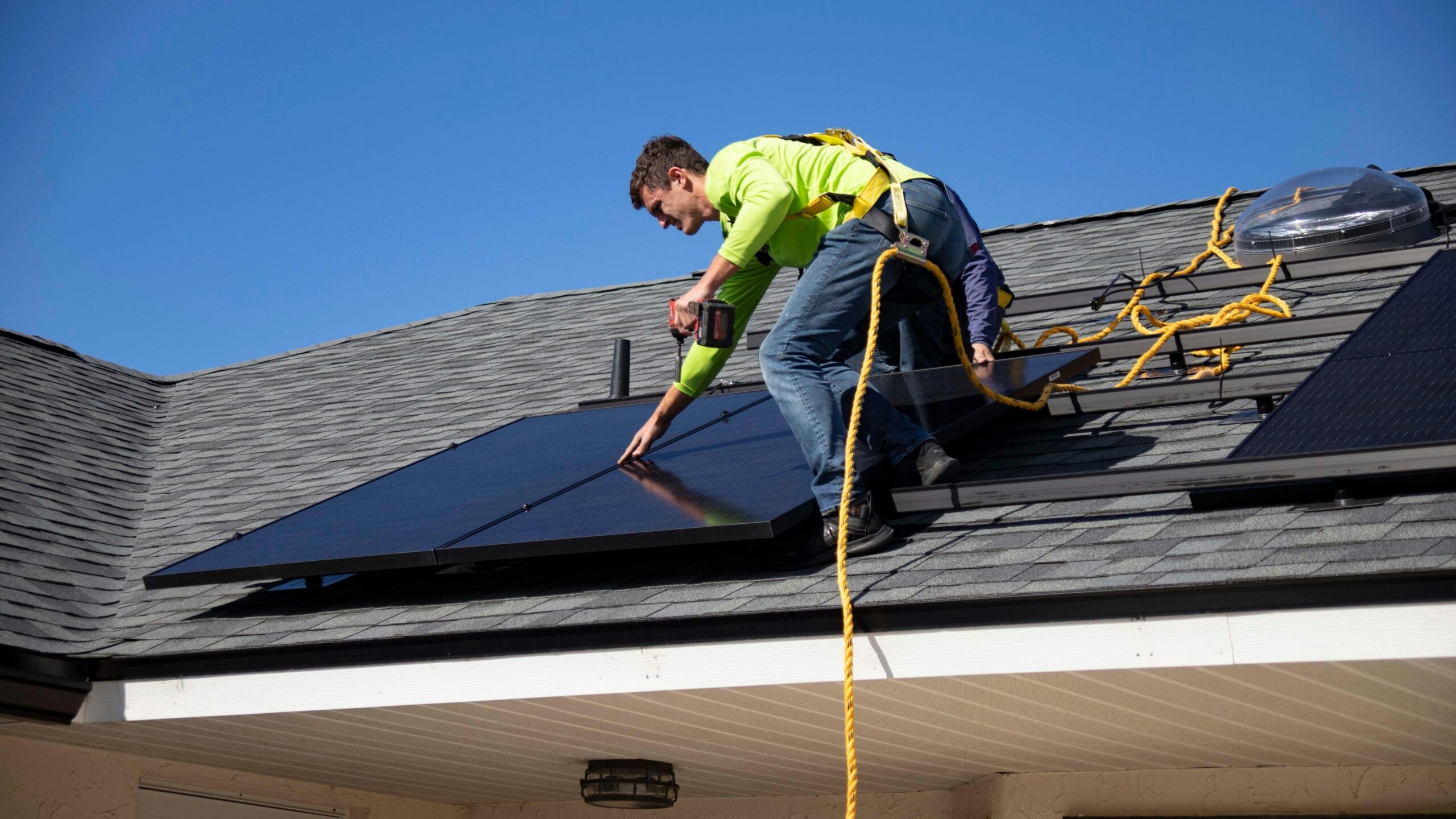
With energy costs rising and environmental concerns at an all-time high, solar panels have become an increasingly popular solution for homeowners and businesses alike. Harnessing the power of the sun, solar panels provide a clean, renewable energy source that reduces electricity bills, lowers carbon footprints, and can even increase property value.
In this comprehensive guide, we’ll explore everything you need to know about solar panels, including how they work, different types, installation tips, benefits, maintenance, and factors to consider before investing in solar energy for your home or business.
How Solar Panels Work
Understanding how solar panels function is key to appreciating their benefits. Solar panels, also known as photovoltaic (PV) panels, convert sunlight into electricity. They are made up of multiple solar cells composed of semiconductor materials, usually silicon, which generate electric current when exposed to sunlight.
This electricity can be used immediately to power your home or stored in batteries for later use. Modern solar panel systems often include inverters that convert direct current (DC) electricity from the panels into alternating current (AC) electricity, which is compatible with home appliances and the grid.
By capturing sunlight efficiently, solar panels allow homeowners to produce their own electricity, reduce reliance on fossil fuels, and contribute to a more sustainable energy system.
Types of Solar Panels
When choosing solar panels for your home, there are several types to consider, each with unique benefits:
1. Monocrystalline Solar Panels
Monocrystalline panels are made from single-crystal silicon and are known for their high efficiency and sleek black appearance. They are ideal for homes with limited roof space because they produce more energy per square foot compared to other types.
2. Polycrystalline Solar Panels
Polycrystalline panels are made from multiple silicon crystals, giving them a bluish hue. While slightly less efficient than monocrystalline panels, they are more affordable and still provide reliable performance.
3. Thin-Film Solar Panels
Thin-film panels are lightweight and flexible, making them suitable for non-traditional applications like curved roofs or portable solar setups. They have a lower efficiency but can be a cost-effective solution for large installations where space is less of a concern.
4. Bifacial Solar Panels
Bifacial panels capture sunlight from both sides, increasing energy production. These panels are often used in innovative designs like ground-mounted solar farms or rooftops with reflective surfaces.
Benefits of Installing Solar Panels
Investing in solar panels comes with numerous advantages for both homeowners and the environment:
1. Lower Energy Bills
By generating your own electricity, you can significantly reduce your monthly energy bills. Excess energy can often be sold back to the grid through net metering, further offsetting costs.
2. Environmentally Friendly
Solar energy is a clean, renewable resource. Using solar panels reduces reliance on fossil fuels, lowers greenhouse gas emissions, and contributes to a healthier planet.
3. Increase Property Value
Homes equipped with solar panels often sell for higher prices and attract eco-conscious buyers. A solar energy system can be a strong selling point in the real estate market.
4. Government Incentives and Tax Credits
Many countries and states offer incentives, rebates, or tax credits to encourage solar adoption. These programs can significantly reduce the upfront cost of installing solar panels.
5. Low Maintenance
Once installed, solar panels require minimal maintenance. Occasional cleaning and periodic inspections are typically sufficient to keep the system functioning efficiently.
Factors to Consider Before Installing Solar Panels
Before investing in solar panels, it’s important to evaluate several factors to ensure you get the most out of your system:
1. Roof Orientation and Shading
South-facing roofs usually receive the most sunlight, maximizing energy production. Shaded areas or roofs with multiple obstructions may reduce panel efficiency.
2. Energy Consumption
Understanding your household or business energy usage helps determine the number of panels you’ll need and the size of your solar system.
3. Local Climate
Solar panels generate electricity even on cloudy days, but regions with more sunlight hours will see better performance and faster return on investment.
4. Budget and Financing Options
Solar panel costs have dropped significantly, but installation can still be a considerable investment. Explore financing options like solar loans, leases, or power purchase agreements (PPAs).
5. Warranties and Lifespan
Most solar panels come with warranties ranging from 10 to 25 years. A high-quality panel can last 25–30 years or more, providing long-term savings.
Installation Process for Solar Panels
Installing solar panels involves several key steps:
- Site Assessment: A professional evaluates your roof, energy needs, and optimal panel placement.
- System Design: Based on the assessment, installers design a system tailored to your property and goals.
- Permits and Approvals: Most areas require permits and utility approvals before installation.
- Installation: Panels are mounted, wired, and connected to the inverter.
- Inspection and Activation: After installation, inspectors verify that the system meets safety and performance standards before it’s activated.
Professional installation ensures maximum efficiency and safety, although some DIY kits are available for smaller or portable solar setups.
Maintaining Your Solar Panels
Proper maintenance helps your solar panels operate efficiently for decades:
- Cleaning: Remove dust, leaves, or snow to ensure panels receive full sunlight. Use water and a soft brush to avoid damage.
- Monitoring: Many systems offer apps or monitoring tools to track energy production and detect issues.
- Inspection: Periodic professional inspections help identify loose connections or worn components before they affect performance.
A well-maintained solar energy system provides reliable electricity and can save thousands over its lifespan.
Common Misconceptions About Solar Panels
Despite their popularity, some misconceptions about solar panels persist:
- Solar Panels Don’t Work in Cloudy Weather: While efficiency drops slightly, panels still produce energy on overcast days.
- High Cost Is Prohibitive: Incentives, tax credits, and financing options make solar energy accessible to more homeowners than ever.
- Solar Panels Require Constant Maintenance: Modern panels are designed for low maintenance and long-term durability.
Understanding the facts helps homeowners make informed decisions and maximize the benefits of solar panels.
The Future of Solar Energy
Solar technology continues to advance rapidly. Innovations like bifacial panels, solar shingles, and energy storage solutions are making solar energy more efficient, affordable, and aesthetically appealing.
As electricity costs rise and sustainability becomes a priority, adopting solar panels is a smart choice for both environmental and financial reasons. Homeowners can reduce their energy bills, contribute to a greener planet, and gain independence from traditional power grids.
Conclusion: Is Solar Energy Right for You?
Investing in solar panels offers a combination of financial savings, environmental responsibility, and long-term home value. With various types of panels, installation options, and financing plans available, there has never been a better time to switch to solar energy.
Whether you’re building a new home, upgrading an existing property, or exploring renewable energy solutions, a solar panel system can provide a reliable, sustainable source of electricity for years to come. By understanding the installation process, maintenance requirements, and benefits, homeowners can make informed decisions that align with their energy goals and lifestyle.
With solar panels, the future of energy is clean, efficient, and increasingly accessible—bringing the power of the sun into your home and your life.
Recent Articles Like This One