

Dog Licking Paws Constantly: Allergies, Anxiety, or Something Else?
Why Dogs Lick Their Paws So Much
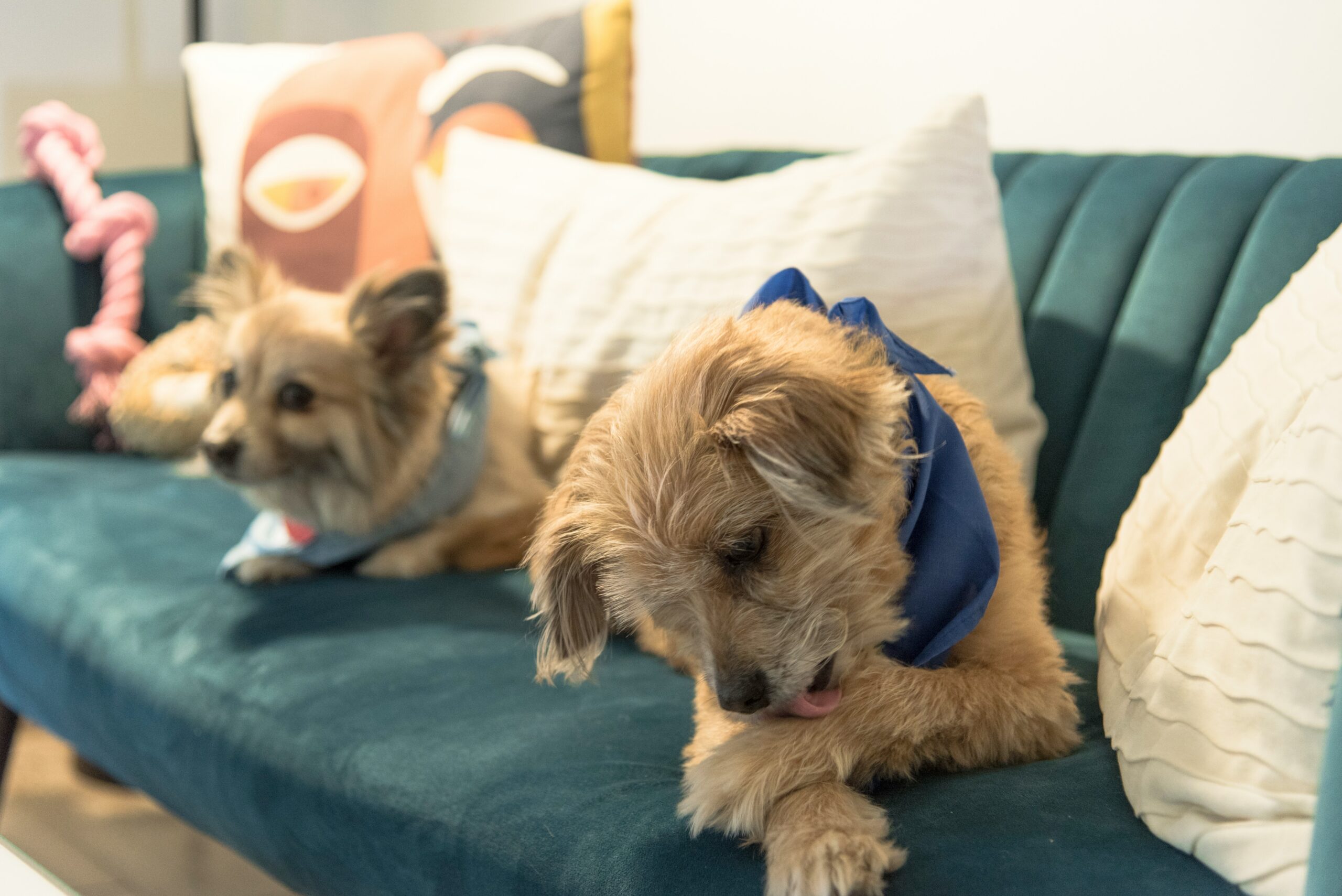
If your dog is constantly licking their paws, you’re not alone. This is one of the most common pet health concerns owners search for at home because it’s easy to notice and often happens repeatedly throughout the day.
Occasional paw licking is normal. Dogs groom themselves just like cats do. But when the licking becomes constant—especially if it interrupts sleep, eating, or play—it can be a sign of irritation, inflammation, or discomfort that deserves attention.
Many owners first notice this behavior after a walk, during allergy season, or when their dog begins chewing at their paws as if something is stuck.
Common Causes of Constant Paw Licking in Dogs
There are several possible reasons dogs lick their paws, and the right solution depends on the root cause.
Seasonal and Environmental Allergies
Allergies are one of the most common reasons dogs lick their paws constantly. Dogs can react to grass, pollen, dust, mold, or cleaning products on floors. The paws come into direct contact with allergens during walks, so irritation often shows up there first.
Dogs with allergies may also scratch their ears, rub their face, or have watery eyes.
Food Allergies or Sensitivities
Some dogs lick their paws due to food sensitivities. Common triggers include chicken, beef, dairy, and wheat. Unlike humans, dogs may show food reactions through skin problems instead of stomach issues.
Food-related licking often becomes chronic and doesn’t change much with the season.
Dry Skin or Irritated Paw Pads
Hot pavement, cold weather, road salt, or rough terrain can dry out paw pads. Cracked pads can sting, leading to persistent licking.
You may notice redness, flaking, or visible cracks on the pads.
Yeast or Bacterial Infections
If your dog’s paws smell like corn chips or have a strong musty odor, yeast may be involved. Yeast infections can cause itching, redness, and dark discoloration between the toes.
Bacterial infections may cause swelling, warmth, or even small sores.
Parasites Like Fleas or Mites
Fleas don’t just bite the back or belly. Some dogs develop skin irritation that leads to paw chewing. Mites can also cause itching and discomfort.
Injury or Foreign Object
A thorn, splinter, burr, or small cut can trigger nonstop licking. Dogs may focus on one paw more than the others.
Anxiety or Boredom
Sometimes paw licking becomes a self-soothing habit. Dogs may lick when they are stressed, left alone too long, or lacking stimulation.
This type of licking can become compulsive, similar to nail biting in humans.
Signs Your Dog’s Paw Licking Is a Problem
You should take paw licking seriously if you notice:
-
Red or inflamed skin between toes
-
Swelling or warmth
-
Limping
-
Hair loss on the paws
-
Bleeding, sores, or scabs
-
A strong odor
-
Dark discoloration
-
Constant chewing or licking throughout the day
If your dog seems restless, wakes up to lick, or becomes protective of their paws, that’s a clear sign the issue is more than routine grooming.
What You Can Do at Home Right Away
There are several simple things you can do at home to reduce irritation while you monitor the situation.
Inspect the Paws Closely
Check between the toes, under the paw pads, and around the nails. Look for:
-
Splinters
-
Foxtails
-
Cuts
-
Red bumps
-
Discharge
If you see something stuck, use tweezers carefully. If it’s deeply embedded, don’t dig—call your vet.
Rinse After Walks
A quick rinse can remove pollen, grass residue, and chemicals. Many owners use warm water and gently pat paws dry.
Dry Thoroughly
Moisture trapped between toes encourages yeast. After rinsing, dry between the toes using a towel.
Consider a Paw Balm
If paw pads are cracked or dry, a pet-safe paw balm may help restore moisture and reduce discomfort.
Use an E-Collar if Necessary
If your dog is licking so much they’re breaking skin, an Elizabethan collar (cone) may prevent further damage until you can get veterinary guidance.
When to Call the Vet
You should contact your veterinarian if:
-
Paw licking lasts more than a few days
-
You see bleeding, swelling, or pus
-
Your dog is limping
-
There’s a foul smell
-
The skin looks raw or infected
-
Your dog seems in pain
Persistent paw licking can worsen quickly because the tongue keeps the skin wet, which delays healing and increases infection risk.
Long-Term Prevention Tips
Once the cause is identified, prevention becomes easier.
-
Keep paws clean after outdoor walks
-
Use flea prevention consistently
-
Keep nails trimmed to prevent pressure pain
-
Provide mental stimulation for anxious dogs
-
Consider allergy management with your vet
Final Thoughts
Dog paw licking is common, but constant licking is often a sign your dog is uncomfortable. Whether it’s allergies, infection, or a foreign object, early attention can prevent more serious problems. The sooner you identify the cause, the sooner your dog can return to feeling calm and comfortable.
Recent Articles Like This One