

7 Day Stays for Less! Get a discount by staying for a week!

Kansas City Museums and History: Exploring the Cultural Landmarks That Define the City

Kansas City is a city that values its past as much as its future, and nowhere is that more apparent than in its museums, preserved districts, and historical landmarks. Travelers who appreciate culture, education, and immersive storytelling will find that Kansas City offers a surprisingly extensive list of museums—many of which rank among the best in the Midwest. From art and music to World War I history and classic automobiles, the city’s museum scene is both diverse and accessible, making it a rewarding destination for visitors who want to explore beyond food, sports, and entertainment. This guide offers a full-length look at the museums and historic attractions that anchor the city’s identity and provide unforgettable travel experiences.
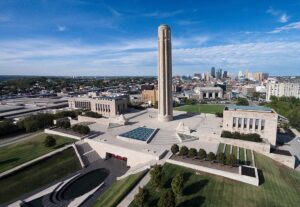
One of Kansas City’s most significant cultural treasures is the National World War I Museum and Memorial, widely recognized as the leading World War I institution in the United States. Located beneath the iconic Liberty Memorial tower, the museum provides an expertly curated experience through interactive exhibits, original artifacts, photographs, letters, uniforms, and immersive theaters. Visitors can walk across a glass bridge suspended over thousands of poppies—each representing a fallen soldier—setting the tone for a powerful and emotionally resonant journey through the Great War. The Liberty Memorial Tower offers panoramic views of downtown Kansas City, making it a must-visit spot for both historians and casual travelers.
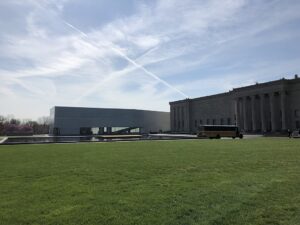
Art lovers will find equal inspiration at the Nelson-Atkins Museum of Art, one of the top encyclopedic art museums in the country. Known for its vast permanent collection and its instantly recognizable Shuttlecocks sculptures on the lawn, the Nelson-Atkins blends old-world artistry with contemporary creativity. The museum offers extensive collections of African art, Japanese ceramics, American photography, European paintings, and modern installations. Best of all, admission is free for the main exhibits, making it a top attraction for budget-conscious travelers who still want to experience world-class culture. The museum’s interactive spaces, rotating exhibitions, and spacious sculpture gardens provide endless ways to explore at your own pace.
A short drive away is the Kem-per Museum of Contemporary Art, Kansas City’s modern art counterpart. This museum focuses on contemporary and thought-provoking works that challenge traditional boundaries of artistic expression. With rotating exhibits, community events, and a popular on-site café, the Kemper is ideal for travelers looking to experience what’s new and next in the art world. Because it’s smaller and more intimate than the Nelson-Atkins, it offers a complementary experience without feeling overwhelming.
Kansas City’s connection to jazz runs deep, and no museum captures that legacy better than the American Jazz Museum located in the historic 18th & Vine Jazz District. This interactive museum brings the story of jazz to life through multimedia displays, rare memorabilia, instruments played by legends, and listening stations that showcase the evolution of America’s most influential musical form. Visitors can also tour the neighboring Negro Leagues Baseball Museum, which offers a moving look at the athletes and cultural icons who reshaped American sports history. Exhibits spotlight historically important teams, players, and communities, offering a powerful reminder of both the challenges and triumphs experienced by Black athletes during segregation. Together, the museums at 18th & Vine create one of Kansas City’s most compelling cultural destinations.
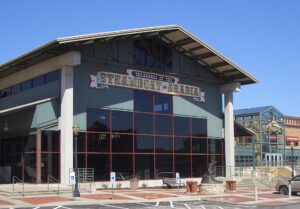
Kansas City’s rich transportation and industrial history also shines through in its museums. The Arabia Steamboat Museum, located in the River Market district, offers one of the most fascinating historical collections in the Midwest. The museum tells the story of the Steamboat Arabia, which sank in the Missouri River in 1856 and was rediscovered over a century later. Thousands of remarkably preserved artifacts—everything from clothing and cookware to tools, toys, and frontier odds and ends—are displayed to recreate life along the mid-19th-century American frontier. It’s part archaeology, part history, and part treasure hunt, making it especially popular for families and travelers who love unusual attractions.
Travelers with an interest in the automotive industry will also appreciate the Kansas City Automotive Museum, which showcases rotating exhibits of classic cars, muscle cars, historical models, and racing memorabilia. Kansas City’s unexpected connection to automotive manufacturing is explored through educational displays and guided tours that highlight how the industry helped shape the region’s identity and economy.
History lovers should also set aside time for Westport, one of Kansas City’s oldest neighborhoods. Before it became a nightlife hotspot, Westport served as a gateway for pioneers heading west along the Santa Fe, Oregon, and California Trails. Historic buildings, plaques, and walking tours help visitors understand how Westport played a crucial role in the nation’s westward expansion. After exploring the historical landmarks, visitors can enjoy modern restaurants, craft breweries, and music venues that make Westport a vibrant blend of old and new.
Another important historical site is Union Station, an architectural masterpiece that once served as one of the busiest train stations in the country. After being restored from near abandonment, the station now houses the Science City museum, rotating exhibitions, a planetarium, restaurants, shops, and beautifully preserved historic halls. Whether you come to see the exhibits, dine, or simply admire the Beaux-Arts architecture, Union Station remains one of Kansas City’s most beloved landmarks.
The city’s performing arts culture also thrives at the Kauffman Center for the Performing Arts, an architectural icon designed by Moshe Safdie. Home to the Kansas City Symphony, Kansas City Ballet, and Kansas City Lyric Opera, the center offers world-class performances that attract audiences from across the country. Even travelers who don’t attend a show can appreciate the building’s striking design and breathtaking views of downtown.
What makes Kansas City’s museums and historical attractions especially appealing for travelers is the way they combine cultural depth with accessibility. Most museums are located close to one another, making it easy to plan full days of exploration without long commutes. Many offer free admission or discounted entry, and most maintain flexible visitor hours and rotating exhibits, ensuring there is always something new to experience.
Kansas City’s cultural landmarks also reveal the city’s spirit of preservation and innovation. They showcase chapters of the American story—industrial expansion, immigration, artistic evolution, wartime sacrifice, and civic growth—all through thoughtfully curated spaces that encourage learning and reflection. Whether you’re a first-time visitor or returning traveler, diving into Kansas City’s museum scene is one of the most rewarding ways to understand what makes the city so distinctive.