

Unearthing the Rich Tapestry: A Journey Through Fort Worth’s History & Iconic Landmarks
Nestled in the heart of North Texas, Fort Worth stands as a vibrant testament to the enduring spirit of the American West, a city where the echoes of cattle drives blend seamlessly with the hum of modern commerce and culture. It’s a place where every brick and boulevard tells a story, inviting visitors and residents alike to delve into the captivating narrative of its past. Embarking on a journey through Fort Worth’s history and landmarks reveals a dynamic evolution from a rugged frontier outpost to a sophisticated metropolitan hub, all while meticulously preserving the authenticity that defines its unique character. This exploration will uncover the layers of time that have shaped this remarkable city, offering a descriptive glimpse into its most cherished and iconic sites.
From its humble beginnings as a military fort to its reign as ‘Cowtown,’ Fort Worth has always been a crossroads of heritage and innovation. Its historical fabric is woven with tales of cowboys, outlaws, and visionary leaders, leaving behind a legacy that is palpable in its architecture, its institutions, and its very soul. Prepare to wander through hallowed grounds and vibrant districts, discovering the significant structures and tales that contribute to Fort Worth’s indelible charm and enduring historical significance.
The Chisholm Trail and Fort Worth’s Frontier Beginnings
The genesis of Fort Worth is inextricably linked to the untamed spirit of the American frontier and the legendary Chisholm Trail. Established in 1849 as an army outpost named after Major Ripley Arnold, its initial purpose was to protect settlers from Native American raids along the Trinity River. This military presence laid the foundational stone for what would eventually become a bustling city, strategically positioned along critical migratory routes.
The Original Fort Worth Site
While the original military fort itself was abandoned in 1853, its location near the confluence of the West Fork and Clear Fork of the Trinity River proved to be a pivotal choice. The site, now largely covered by urban development, was a strategic point for trade and travel. Its early days saw a small community of traders and settlers begin to form, drawn by the fertile lands and the promise of new opportunities in the vast Texas landscape.
The spirit of this early settlement, though physically transformed, endures in the collective memory and historical markers scattered throughout the city. These subtle reminders speak to a time when survival was paramount, and the rugged individualism of pioneers shaped the nascent character of the region. The foundational decisions made in these early years set the stage for all subsequent growth and development.
Cattle Drives and the Stockyards Emergence
The true boom for Fort Worth arrived with the post-Civil War cattle drives. As millions of longhorn cattle were herded north from Texas to Kansas railheads, Fort Worth became an indispensable stop along the Chisholm Trail, earning its famous moniker, ‘Cowtown.’ It provided a crucial resting point, supplies, and entertainment for weary cowboys, transforming into a vibrant, albeit rough-and-tumble, hub of activity.
The city’s strategic location, coupled with the arrival of the railroad in 1876, solidified its status as a major livestock shipping center. This development spurred the creation of the Fort Worth Stockyards, an expansive complex designed to process and ship cattle, pigs, and sheep. The Stockyards quickly grew into one of the largest and most important livestock markets in the nation, becoming a powerful engine for the city’s economic growth and a symbol of its Western identity.
The sheer scale of the cattle industry during this era left an indelible mark on Fort Worth, shaping its infrastructure, its economy, and its cultural narrative. The tales of dusty drovers, raucous saloons, and booming businesses from this period are central to understanding the city’s unique historical trajectory and its enduring connection to its cowboy roots.
Architectural Marvels and Downtown Fort Worth’s Evolution
Beyond its initial frontier identity, Fort Worth steadily evolved into a sophisticated urban center, a transformation beautifully reflected in its diverse architectural landscape. Downtown Fort Worth, in particular, showcases a fascinating blend of historical preservation and modern innovation, where grand old buildings stand proudly alongside sleek contemporary structures, each telling a part of the city’s expansive story.
Sundance Square’s Historic Charm
Sundance Square, named after the Sundance Kid, one of the famous outlaws who once roamed Fort Worth’s notorious ‘Hell’s Half-Acre,’ is a shining example of urban revitalization. This 35-block entertainment and shopping district has masterfully preserved many of its historic brick buildings, dating back to the late 19th and early 20th centuries. Walking its red-bricked streets, visitors can admire the intricate detailing of facades that once housed saloons, mercantile stores, and early businesses.
The careful restoration efforts have transformed these venerable structures into contemporary restaurants, shops, and theaters, creating a vibrant pedestrian-friendly area. The district’s central plaza, with its stunning fountains and comfortable seating, serves as a popular gathering spot, embodying the seamless integration of historical reverence with modern urban living. Sundance Square truly encapsulates the spirit of Fort Worth’s progress while honoring its colorful past.
Tarrant County Courthouse: A Glimpse into Justice
Dominating the northern edge of downtown is the magnificent Tarrant County Courthouse, an architectural gem completed in 1895. Designed in the Second Empire style, its imposing pink granite exterior, towering clock tower, and ornate detailing command attention. The courthouse stands as a powerful symbol of justice and civic pride, reflecting the city’s growing prosperity and its commitment to formal governance during the late 19th century.
Inside, the building continues to impress with its grand staircases, intricate ironwork, and stained-glass windows, transporting visitors to a bygone era of legal proceedings and civic administration. The Tarrant County Courthouse is not merely a functional building; it is a historical landmark that embodies the architectural ambition and the evolving social order of Fort Worth as it transitioned from a frontier town to a regional powerhouse.
Bass Performance Hall: A Modern Classic
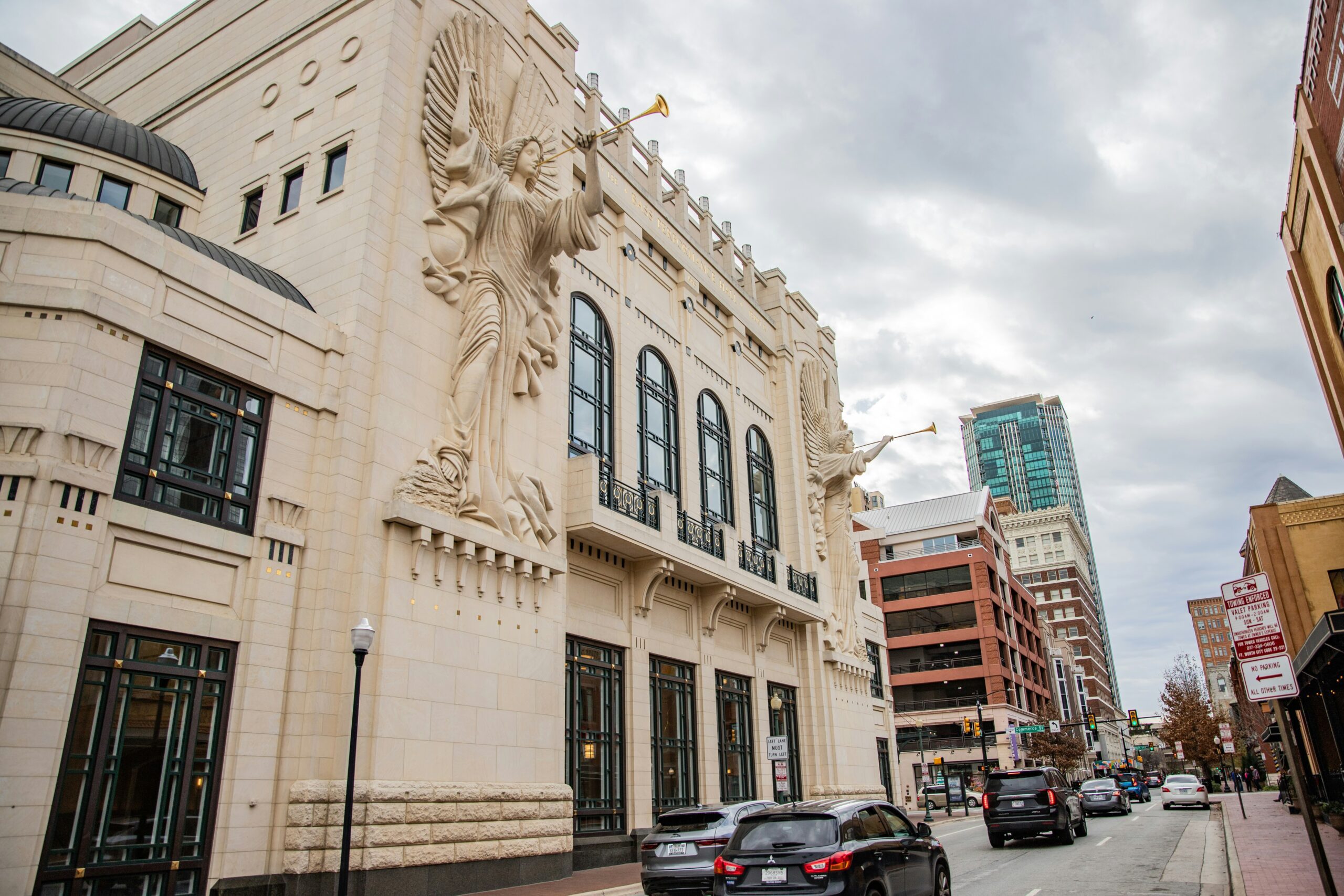
A more recent, yet equally iconic, addition to Fort Worth’s architectural tapestry is the Nancy Lee and Perry R. Bass Performance Hall. Opened in 1998, this stunning performing arts venue is renowned for its distinctive limestone façade and twin 48-foot-tall angels gracing its grand entrance. Designed in a classical style, it seamlessly blends with the historic fabric of downtown while asserting its own modern grandeur.
The Bass Hall serves as a testament to Fort Worth’s commitment to the arts and culture, providing a world-class home for symphony, opera, ballet, and Broadway productions. Its architectural brilliance and acoustical excellence have quickly made it a beloved landmark, symbolizing the city’s ongoing cultural renaissance and its dedication to providing exceptional experiences for its citizens and visitors.
Cultural Institutions: Preserving Fort Worth’s Artistic Legacy
Fort Worth’s dedication to arts and culture is perhaps most eloquently expressed through its magnificent Cultural District, a sprawling campus of world-class museums that rival those in much larger cities. This concentration of artistic excellence solidifies Fort Worth’s reputation as a cultural beacon, offering profound insights into human creativity, history, and the American experience.
Kimbell Art Museum: A Masterpiece of Design and Collection
The Kimbell Art Museum is globally celebrated not only for its extraordinary collection but also for its groundbreaking architecture. Designed by the visionary Louis I. Kahn, the original building, completed in 1972, is a triumph of modern design, characterized by its luminous cycloid barrel vaults and natural light. A more recent expansion by Renzo Piano beautifully complements Kahn’s original vision, creating a harmonious dialogue between the two architectural giants.
Within its walls, the Kimbell houses a small but exceptionally high-quality collection spanning diverse periods and cultures, from ancient masterpieces to European paintings, Asian art, and pre-Columbian artifacts. Visiting the Kimbell is an immersive experience where art, architecture, and light converge to create a truly unforgettable encounter with beauty and human ingenuity. It stands as a cornerstone of Fort Worth’s artistic legacy.
Amon Carter Museum of American Art: Celebrating Western Heritage
Dedicated to the art of the United States, with a particular emphasis on art of the American West, the Amon Carter Museum of American Art offers a compelling narrative of the nation’s artistic journey. Its collection includes masterpieces by Frederic Remington, Charles M. Russell, and Georgia O’Keeffe, among many others, providing a comprehensive overview of American creativity from the early 19th century to the present day.
The museum’s striking building, designed by Philip Johnson, provides an elegant and inviting space to explore the rich tapestry of American art. Through its diverse exhibitions and educational programs, the Amon Carter plays a vital role in preserving and interpreting the visual heritage that has shaped American identity, particularly the rugged beauty and spirit of the West that so defines Fort Worth itself.
Modern Art Museum of Fort Worth: Bold and Contemporary
Completing the triumvirate of the Cultural District’s major art institutions is the Modern Art Museum of Fort Worth, often simply referred to as ‘The Modern.’ Housed in a breathtaking building designed by Tadao Ando, featuring five long, flat-roofed pavilions rising from a reflecting pond, The Modern is a sanctuary for contemporary artistic expression. Its minimalist concrete and glass structure creates a serene backdrop for its dynamic collection.
The museum’s collection primarily focuses on art produced since 1945, showcasing significant works by artists such as Jackson Pollock, Andy Warhol, and Mark Rothko. The Modern is a testament to Fort Worth’s forward-thinking cultural vision, providing a platform for challenging and inspiring contemporary art. Its architectural brilliance and impactful collection firmly establish it as a key landmark in the city’s cultural landscape.
The Stockyards National Historic District: Where the West Lives On
Perhaps no area encapsulates the living history of Fort Worth more vividly than the Stockyards National Historic District. This incredibly preserved area offers an authentic plunge into the city’s ‘Cowtown’ past, where the spirit of the Old West is not just remembered but actively reenacted and celebrated daily. It’s a sensory experience that transports visitors back to the peak of the cattle industry.
The Cowtown Coliseum: Rodeo’s Enduring Spirit
At the heart of the Stockyards lies the Cowtown Coliseum, a monumental structure built in 1908. This historic arena holds the distinction of being the world’s first indoor rodeo arena, a testament to Fort Worth’s pioneering role in the sport of rodeo. Its grand brick exterior and expansive interior have witnessed countless rodeos, livestock shows, and legendary performances over the decades.
Today, the Coliseum continues to host weekly rodeos, bringing the thrilling action of bull riding, barrel racing, and calf roping to new generations. Stepping inside is like stepping back in time, where the dust, the cheers, and the raw energy of the arena evoke the enduring spirit of the cowboy and the rich heritage of Western sports. It remains a vibrant symbol of Fort Worth’s deep roots in the rodeo tradition.
Exchange Avenue: A Walk Through Time
Strolling down Exchange Avenue, the main thoroughfare of the Stockyards, is an immersive historical experience. The street is lined with beautifully preserved brick buildings that once housed saloons, feed stores, hotels, and cowboy outfitters. The architecture itself tells tales of bustling commerce and boisterous entertainment that characterized the district during its heyday.
One of the most iconic sights on Exchange Avenue is the twice-daily cattle drive, featuring genuine Texas Longhorns parading down the street, guided by skilled drovers. This spectacle serves as a powerful, living reminder of the millions of cattle that once passed through these very grounds, offering an unparalleled connection to Fort Worth’s cattle industry past. The avenue truly acts as a vibrant conduit to a bygone era.
Mule Alley: Revitalized History
Adjacent to the historic livestock barns, Mule Alley represents a thoughtful revitalization within the Stockyards district. Once home to mule and horse trading, these beautifully restored brick barns now house a collection of upscale shops, restaurants, and entertainment venues. The preservation of the original architectural character, combined with modern amenities, creates a unique blend of old and new.
Mule Alley offers a contemporary experience within a historically rich setting, allowing visitors to enjoy fine dining or boutique shopping amidst the rustic charm of the Stockyards. It exemplifies how Fort Worth embraces progress while steadfastly honoring its foundational stories, ensuring that its historic landmarks continue to serve as dynamic spaces for future generations.
Parks, Gardens, and Natural Sanctuaries in Fort Worth
While brick and mortar tell one story, Fort Worth’s natural landscapes and meticulously maintained green spaces offer another, equally compelling narrative of growth, beauty, and community. These urban oases provide respite and recreation, often with their own significant historical backstories or contemporary contributions to the city’s identity.
Fort Worth Botanic Garden: An Urban Oasis
Established in 1934, the Fort Worth Botanic Garden is the oldest major botanic garden in Texas and a true urban sanctuary. Spanning over 100 acres, it features more than two dozen themed gardens, including the stunning Japanese Garden with its koi ponds and meticulously sculpted landscapes, and the serene Rose Garden, bursting with color and fragrance. It’s a testament to the city’s dedication to natural beauty and horticultural excellence.
The garden serves as a living museum, showcasing a vast array of plant life from around the world, providing educational opportunities, and offering a tranquil escape from city life. Its long history reflects Fort Worth’s commitment to creating and preserving beautiful public spaces for the enjoyment and enrichment of its citizens, evolving over decades into the verdant landmark it is today.
Trinity Trails: Connecting the City’s Past and Present
Winding along the banks of the Trinity River, the extensive Trinity Trails network offers miles of paved and unpaved paths for walking, jogging, cycling, and horseback riding. This impressive urban trail system not only provides recreational opportunities but also serves as a vital green corridor, connecting various neighborhoods, parks, and historical sites across Fort Worth.
The Trinity River itself was central to Fort Worth’s initial settlement and growth, and the trails now offer a contemporary way to experience this natural artery. They symbolize the city’s ongoing efforts to integrate natural landscapes with urban development, providing a continuous thread that links the city’s natural heritage with its modern pursuit of health and outdoor recreation. The trails are a dynamic landmark, constantly evolving with the city.
Echoes of the Past: Notable Figures and Events
Delving deeper into the annals of Fort Worth’s history reveals not just grand buildings and natural spaces, but also the captivating stories of individuals and pivotal events that have left an indelible mark. These narratives add color and intrigue to the city’s already rich tapestry, illustrating its complex character and the diverse forces that shaped it.
Bonnie and Clyde’s Local Haunts
Fort Worth, like many cities in Texas, has its share of connections to the infamous Depression-era outlaws, Bonnie Parker and Clyde Barrow. While their primary stomping grounds were often in Dallas, the Barrow Gang was known to frequent Fort Worth, particularly the area around the Stockyards. They reportedly used local hotels and hideouts, blending into the city’s transient population.
These tales of their presence add a layer of gritty historical intrigue to Fort Worth’s past, reminding us that the city, during certain periods, was a place where the lines between law and lawlessness were often blurred. Though not celebrated, these connections are a fascinating, if notorious, part of the city’s broader historical narrative, reflecting the challenges and characters of a turbulent era.
The Fort Worth Fat Stock Show and Rodeo’s Origins
The Fort Worth Stock Show and Rodeo, an event that today draws millions of visitors annually, has its roots stretching back to 1896. Initially conceived as the ‘Fat Stock Show,’ its primary purpose was to promote the quality of livestock raised in the region, attracting ranchers and buyers from across the nation. Over the decades, it grew to incorporate the thrilling sport of rodeo, becoming a beloved annual tradition.
This enduring event is more than just a show; it’s a living piece of Fort Worth’s history, celebrating its agricultural heritage, its cowboy culture, and its deep connection to the livestock industry. The Stock Show and Rodeo symbolizes the resilience and evolution of Fort Worth, demonstrating how an event rooted in practical commerce transformed into a grand celebration of Western life, cementing its status as a premier landmark of tradition.
Fort Worth is truly a city that wears its history with pride, offering an intricate mosaic of experiences where the grit of the frontier coexists with the grace of modern art and the beauty of natural landscapes. Each landmark, from the historic Stockyards to the serene Botanic Garden, and every story, from cattle drives to cultural awakenings, contributes to a collective narrative that is uniquely Fort Worthian. This exploration into Fort Worth’s history and landmarks reveals a city that is constantly evolving yet deeply rooted in its past, inviting you to discover its charm for yourself.
Whether you’re drawn to the thunder of hooves, the quiet contemplation of a masterpiece, or the intricate details of Victorian architecture, Fort Worth offers a journey through time that is both educational and deeply engaging. Plan your visit to walk the paths of cowboys and magnates, artists and innovators, and immerse yourself in the authentic spirit of a city that continues to write its story with every passing day. There’s always something new to uncover in this remarkable Texas gem.
Recent Articles Like This One