

Boston’s Blueprint for Growth: Navigating City Projects and Local Governance
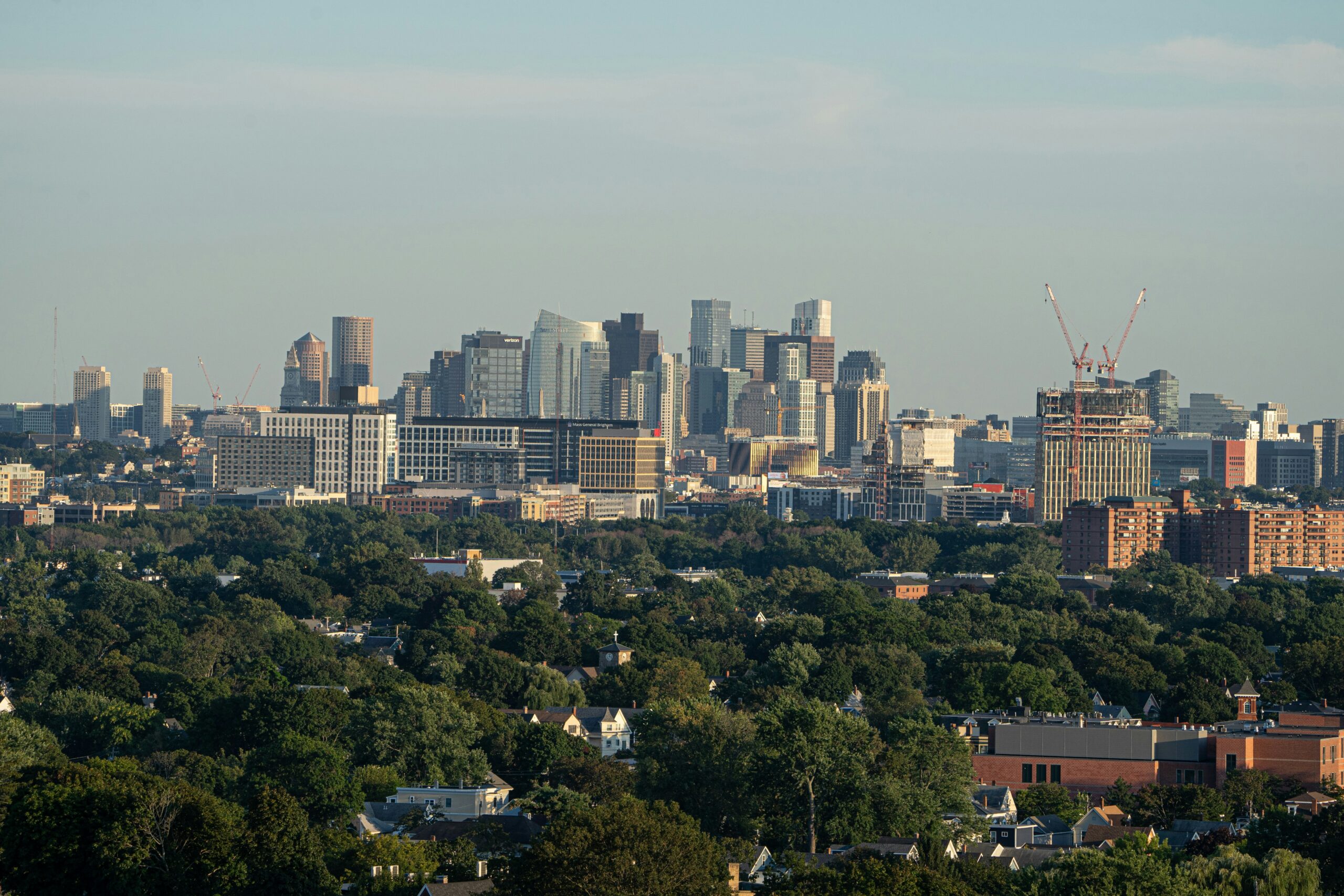
Boston, a city steeped in history and innovation, is perpetually in motion. Its vibrant narrative is written not just in the cobblestone streets of Beacon Hill or the hallowed halls of its universities, but also in the dynamic evolution of its urban landscape. This ongoing transformation is largely driven by a complex interplay of ambitious city projects and the strategic decisions of its local government. Understanding this synergy is key to appreciating Boston’s trajectory, from its foundational past to its future as a global hub for technology, education, and culture. The city’s commitment to progress is palpable, evident in the cranes dotting the skyline and the constant buzz of activity that signifies growth and development.
The Pulse of Progress: Major City Initiatives
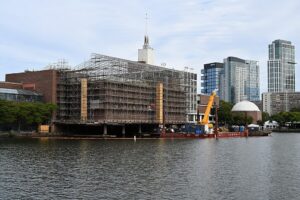
Boston’s approach to growth is multifaceted, encompassing infrastructure upgrades, sustainable development, and the enhancement of public spaces. These initiatives are not mere cosmetic changes; they are integral to the city’s long-term vision, aiming to improve the quality of life for its residents, attract new businesses, and solidify its position as a leader in urban innovation. One of the most significant ongoing efforts is the revitalization of its waterfront. This ambitious undertaking aims to transform underutilized industrial areas into vibrant mixed-use districts, complete with residential spaces, commercial enterprises, and public parks. The goal is to reconnect the city with its historic harbor, creating new economic opportunities and recreational areas.
Beyond the waterfront, the city is heavily invested in improving its transportation network. Recognizing the critical role of efficient mobility in a growing metropolis, Boston is undertaking significant upgrades to its public transit system, the MBTA. This includes modernizing aging infrastructure, expanding service routes, and incorporating new technologies to enhance rider experience and reliability. The focus extends to pedestrian and cyclist infrastructure as well, with a concerted effort to create safer, more accessible streets that encourage alternative modes of transportation. These projects are crucial for reducing congestion, improving air quality, and promoting a healthier, more active urban lifestyle.
Sustainability is another cornerstone of Boston’s development strategy. The city has set aggressive goals for reducing its carbon footprint and promoting renewable energy sources. This is reflected in building codes that encourage energy-efficient construction, investments in green infrastructure like permeable pavements and urban tree canopies, and initiatives to promote waste reduction and recycling. The vision is to create a resilient and environmentally responsible city that can thrive in the face of climate change, ensuring a healthier future for generations to come. These efforts are not just about environmental stewardship; they are also about economic prudence, as sustainable practices often lead to long-term cost savings and new green job opportunities.
Local Government: The Architects of Urban Futures
The engine driving these ambitious projects is Boston’s local government. The Mayor’s office, the City Council, and various city departments work in concert to plan, fund, and execute the initiatives that shape the city’s destiny. This governance structure faces the perennial challenge of balancing competing interests, from the needs of long-term residents to the demands of a rapidly expanding economy. Transparency and public engagement are vital components of this process. The local government strives to keep residents informed about upcoming projects, solicit feedback, and incorporate community input into decision-making. Public hearings, community meetings, and online platforms are all utilized to foster a sense of shared ownership and collaboration.
Budgetary constraints and resource allocation are constant considerations for city officials. Major infrastructure projects require substantial investment, and the government must navigate complex funding mechanisms, often involving a mix of municipal bonds, state and federal grants, and private partnerships. Prioritization is key, with decisions often made based on the potential impact on economic growth, public safety, and overall quality of life. The administration must also be adaptable, responding to unforeseen challenges and adjusting plans as needed to ensure project success and fiscal responsibility.
Policy decisions made at the local level have a profound impact on the pace and direction of growth. Zoning regulations, for instance, dictate where and how development can occur, influencing everything from housing density to the types of businesses that can operate in different neighborhoods. The city’s economic development policies aim to attract and retain businesses, foster innovation, and create well-paying jobs. This involves strategic investments in key sectors, support for small businesses, and efforts to cultivate a skilled workforce. The government’s role is not just to facilitate growth, but to guide it in a way that is equitable and benefits all residents.
Neighborhood Development: Growth from the Ground Up
While large-scale city projects often capture headlines, the fabric of Boston is woven from the vitality of its individual neighborhoods. Local government initiatives also focus on empowering communities and fostering development at the grassroots level. This includes investments in local parks, community centers, public schools, and small business incubators. The aim is to ensure that the benefits of city-wide growth are distributed equitably, enhancing the unique character and livability of each district.
Affordable housing is a critical concern in a city experiencing significant economic expansion. The local government is actively pursuing strategies to increase the supply of affordable housing, including inclusionary zoning policies, partnerships with non-profit developers, and the preservation of existing affordable units. These efforts are essential for maintaining the diverse socio-economic fabric of Boston and ensuring that it remains an accessible city for people from all walks of life. The challenge is immense, but the commitment to addressing this issue is a testament to the city’s dedication to inclusive growth.
Economic Drivers and Future Outlook
Boston’s economic landscape is a dynamic blend of established industries and burgeoning sectors. Its world-renowned universities and research institutions serve as powerful engines for innovation, driving growth in fields such as biotechnology, healthcare, and technology. The city government plays a crucial role in nurturing these sectors through supportive policies, investment in infrastructure, and the creation of an environment conducive to research and development. The concentration of talent and capital in Boston makes it an attractive location for startups and established companies alike.
Looking ahead, Boston’s commitment to smart growth, sustainability, and community engagement positions it for continued success. The ongoing dialogue between city projects and local governance ensures that development is not only ambitious but also thoughtful and inclusive. The city’s ability to adapt to changing economic conditions, embrace technological advancements, and prioritize the well-being of its residents will be key to navigating the complexities of urban growth in the 21st century. The continuous evolution of Boston serves as a compelling case study in how cities can strategically plan for expansion while preserving their unique identity and enhancing the lives of their citizens.