



Discover Tranquility at the Fort Worth Japanese Garden
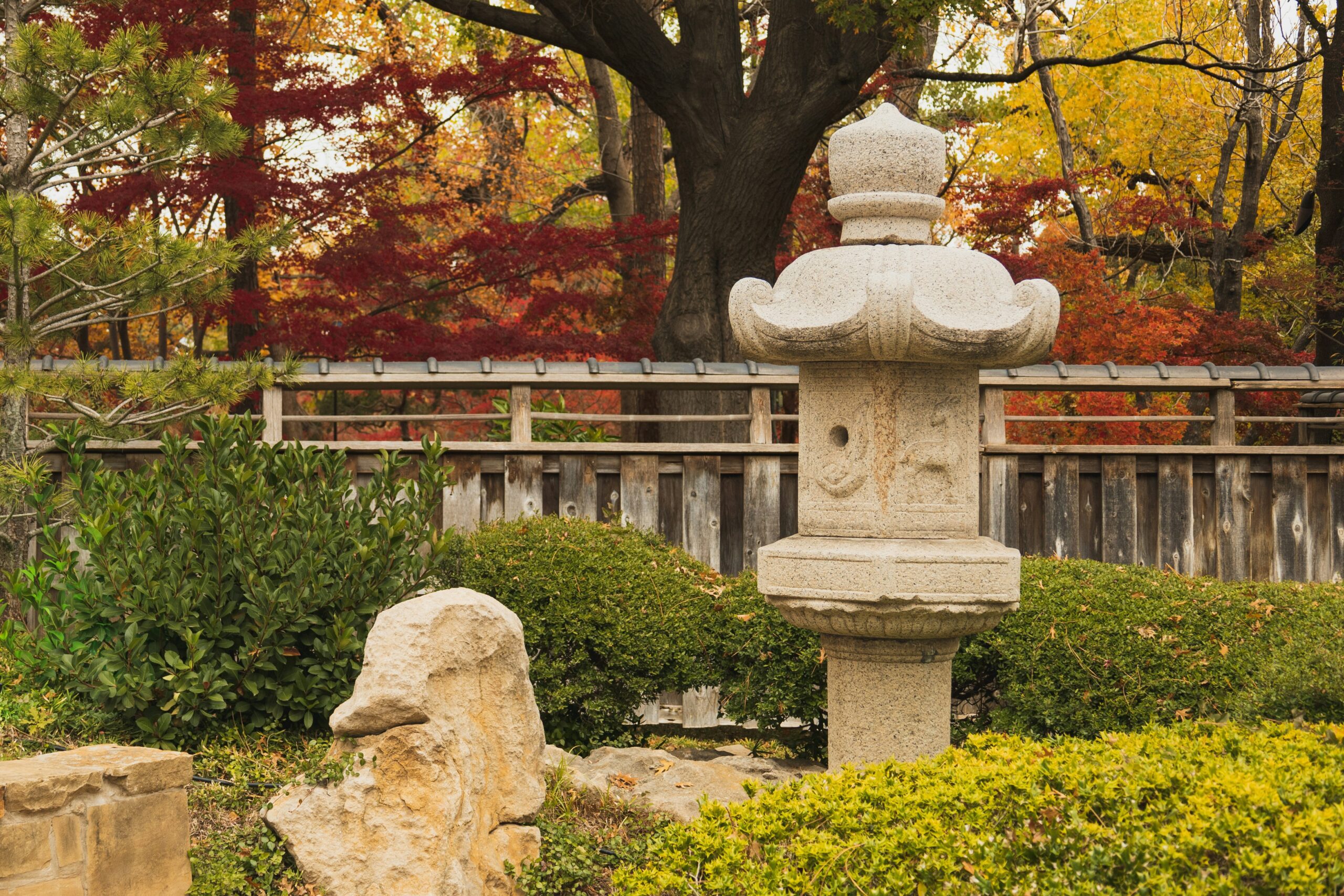
If you’re looking for a peaceful escape in the midst of the Dallas‑Fort Worth metroplex, the Fort Worth Japanese Garden offers a serene stroll through traditional Japanese landscaping, water features, bridges, and lush plantings. Nestled within the larger Fort Worth Botanic Garden, this 7.5‑acre sanctuary blends design, nature and cultural elements in a beautiful way.
In this blog post we’ll explore what makes the Fort Worth Japanese Garden special, highlight what to see and when to go, give you tips for visiting, and help you get the most out of your time there.
What Makes the Fort Worth Japanese Garden Unique
One of the standout aspects of the Fort Worth Japanese Garden is how it fuses traditional Japanese garden styles with the local Texan setting. Established in 1973, the garden occupies a former gravel pit and dump site that was transformed into a tranquil stroll garden.
Designed with multiple Japanese garden idioms—ponds and island paths (tsukiyama style), a dry landscape (karesansui) meditation garden, a tea‑house, koi ponds and moon‑viewing decks—this garden invites you to slow down, observe and reflect.
Highlights include:
- More than 1,200 koi fish in ponds surrounded by maples, cherry trees and bamboo.
- The Moon‑Viewing Deck and dry landscape garden area, offering minimalist Japanese garden design in a Texas context.
- A pavilion, tea house, bridges and winding paths that create a layered sense of discovery.
This combination of plant life, water features and thoughtful design makes the Fort Worth Japanese Garden more than just a walk—it becomes a sensory experience.
What to See & Explore in the Garden
Ponds, Koi & Water Features
One of the most memorable features of the Fort Worth Japanese Garden is its system of ponds, waterfalls and streams. The koi ponds add motion, reflection and life to the landscape. You’ll find koi feeding stations and quiet corners to simply sit and watch.
Bridges, Paths & Gateways
As you stroll, you’ll cross small bridges, wind through shaded paths, and pass under gateways that frame views. The feeling is less of a straight path and more of a sequence of moments, each with its own view and texture.
Seasonal Plantings & Foliage
From cherry blossoms in spring, to Japanese maples in autumn, to the evergreen bamboo and pines—there’s a sense of subtle change across the seasons. That’s part of the philosophy of “mono no aware” (an appreciation of the ephemeral) which the garden embraces.
Dry Garden & Moon‑Viewing Deck
One of the more minimalist parts of the garden is the dry landscape section (karesansui) and the Moon‑Viewing Deck. Here, gravel, rock and form – rather than lush planting – define the space. It invites contemplation and offers a contrasting experience to the more plant‑rich zones.
Tea House & Pavilion Spaces
The tea house, pavilion and rental‑event spaces add architectural interest and a reminder that this garden blends cultural heritage with modern purpose. These structures offer vantage points, gathering spots and places to pause.
Best Times to Visit the Fort Worth Japanese Garden
Time of Day
For the best light and fewer crowds, consider arriving early in the morning. The garden opens at 8 a.m. for public (with last entry at 4 p.m.) according to admission info. Early morning can mean soft light on the water, gentle reflections, and a quieter experience. Later in the day the light may be stronger but the heat and foot‑traffic can increase.
Seasonality
- Spring: Cherry blossoms and new leaves make it a lovely time; the ponds and paths feel fresh.
- Summer: Lush greenery, shade under bamboo and maples, scent of foliage.
- Fall: Japanese maples and other deciduous plants bring color; reflections in ponds are particularly inviting.
- Winter: Even in cooler months, the design, structure and evergreen elements shine. The dry garden and minimalist zones become more prominent when there are fewer blooms.
Special Events
The Fort Worth Japanese Garden also hosts seasonal festivals—such as a fall Japanese festival—that celebrate art, culture and the garden itself. These can be wonderful times to visit but may draw larger crowds.
Visiting Tips & Practical Information
Admission, Parking & Hours
- Admission for the broader Fort Worth Botanic Garden is online or at the gate; adults, children, and seniors have different rates.
- Open daily, with last entry times noted. Always check the official site ahead for any changes.
- Parking is available at the Botanic Garden campus. Arriving early helps, especially if you wish to start your walk in the Japanese Garden zone.
- Bring water, sun protection and walking‑friendly shoes—paths can be shaded but also include surfaces like stone, gravel or wood.
How to Enjoy the Garden Mindfully
- Go slowly. This isn’t a garden to race through—take time at each view.
- Pause by a pond, listen to the water, watch the koi.
- Sit on a bench and observe shadow and light through leaves.
- Capture a photo, but also take moments without your phone—just to be present.
- Respect the design. Many Japanese gardens operate on the principle that “less is more”; avoid disturbing plantings or stepping off the paths.
What to Bring
- A camera or smartphone with good light sensitivity for the shaded areas and reflections.
- Comfortable shoes with good traction (paths may be slightly uneven).
- A hat or light jacket depending on weather—shade helps in summer, and wind can be noticeable near water.
- A small snack if you plan a longer visit—but adhere to garden rules about littering or wildlife feeding.
- If you’re visiting during a festival or large event, arrive early to secure a good spot or parking.
Family & Group Visits
The garden is suitable for families or groups. The pace is relaxed, paths are stroller‑friendly in many parts, and the sense of exploration makes it good for older children who enjoy discovering bridges, koi and nature. For large groups, check the garden’s group policies ahead of time for entry fees or guided tours.
Why This Garden is Worth Your Time
- Urban escape: In the midst of the city, this garden offers real serenity.
- Cultural richness: Beyond plants, you’re experiencing Japanese garden tradition, design elements and a thoughtful layout.
- Photographic reward: With ponds, reflections, architectural features and seasonal plant life, there’s plenty for photography lovers.
- Year‑round appeal: Unlike some gardens that peak only for a week, the Fort Worth Japanese Garden offers beauty in every season.
- Mindful experience: It invites you to slow down. Whether you’re strolling solo or with friends, you’ll find a rhythm slower than the typical tourist stop.
Final Thoughts
The Fort Worth Japanese Garden stands out as a quiet gem—one that rewards visitors who take the time to wander, reflect and appreciate the subtle interplay of design, nature and tranquility. Whether you come for a short visit or linger for an hour or two, you’ll likely leave feeling refreshed, inspired and a little more grounded.
If you’re planning a visit to Fort Worth and want to explore something beyond the usual tourist spots, make the Japanese Garden your destination. Go early, give yourself time, and allow the garden to unfold before you—bridge by bridge, pond by pond, leaf by leaf.
Would you like a printable map of the Fort Worth Japanese Garden, or perhaps a list of the seasonal blooms you can expect at different times of year? I’d be happy to pull that together for you.