


Elon Musk vs. Twitter 2025 Securities Fraud Lawsuit
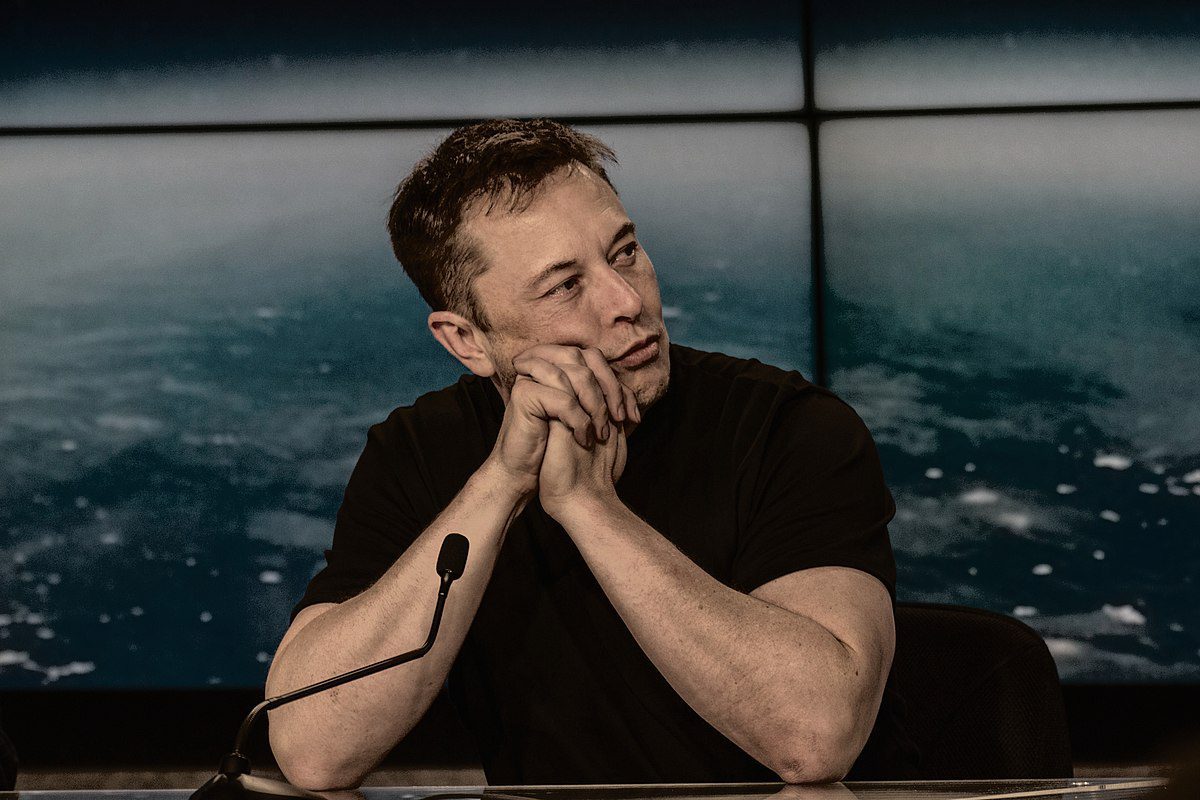
The Elon Musk vs. Twitter 2025 securities fraud lawsuit has captivated financial markets, legal experts, and the general public, making it one of the most closely followed corporate legal battles of the year. The case centers on allegations that Musk and associated entities provided misleading information to investors regarding key acquisitions, funding, and the strategic direction of Twitter. The lawsuit has implications not only for Musk personally but also for corporate governance, SEC enforcement practices, and investor protections in the technology sector. This article examines the origins of the case, the legal arguments presented by both sides, evidence and testimony introduced in court, and the broader consequences that could reshape corporate accountability in 2025 and beyond.
The Background Behind the Lawsuit
The Elon Musk vs. Twitter 2025 securities fraud lawsuit arises from Musk’s high-profile acquisition of Twitter and subsequent public statements about financing, company valuation, and platform policies. Investors claimed that Musk’s public communications created uncertainty and artificially inflated stock prices, leading to substantial losses when the platform’s operational performance and financial projections did not meet expectations.
Alleged Misstatements and Timing
Plaintiffs argue that Musk made statements implying secured funding for acquisitions that were not fully confirmed, issued optimistic projections about user growth, and downplayed risks related to content moderation and monetization strategies. According to the lawsuit, these statements misled investors and violated federal securities laws.
Musk and his legal team maintain that statements were made in good faith, often reflected personal opinion rather than guarantees, and that Twitter’s financial disclosures were accurate at the time they were made.
Key Legal Questions Driving the Case
The Elon Musk vs. Twitter 2025 securities fraud lawsuit revolves around several critical issues:
1. Materiality of Public Statements
The court must determine whether Musk’s statements were material — that is, likely to influence the decision-making of a reasonable investor. Plaintiffs argue that his words affected stock prices and investor confidence significantly, while Musk’s defense asserts that they were speculative and not actionable under securities law.
2. Intent and Recklessness
A central question in any securities fraud case is intent. Plaintiffs claim Musk acted recklessly or knowingly misrepresented information. Musk’s attorneys counter that he did not intend to mislead and that statements were consistent with business judgment at the time.
3. Corporate Responsibility vs. Individual Accountability
The lawsuit also explores the role of Musk as an individual versus the company as a corporate entity. Courts will assess whether Musk’s personal communications can be treated as binding corporate statements or whether they reflect personal commentary that does not constitute fraud.
Evidence Presented in Court
In the Elon Musk vs. Twitter 2025 securities fraud lawsuit, both sides have introduced extensive documentary and testimonial evidence.
Plaintiffs’ Evidence
-
Internal communications regarding funding and strategy
-
Emails and memos contradicting public statements
-
Expert analysis showing correlation between Musk’s tweets and stock price movements
-
Testimony from investors affected by market fluctuations
Defense Evidence
-
Internal board meeting notes and due diligence reports
-
Expert testimony showing that statements were opinion-based
-
Evidence of market volatility unrelated to Musk’s communications
-
Contextual analysis of communications with regulators and investors
The presentation of this evidence highlights the nuanced balance between opinion, market influence, and regulatory compliance.
Arguments from Both Sides
Plaintiff’s Position
Plaintiffs claim that Musk’s communications intentionally or recklessly misled investors, causing measurable financial losses. They focus on:
-
The timing of tweets and public statements
-
Financial impact analysis by market experts
-
Comparisons to SEC disclosure requirements
The plaintiffs argue that holding Musk accountable is critical to maintaining confidence in the fairness of financial markets.
Defense Position
Musk’s defense team argues:
-
Statements were speculative and intended as personal opinion
-
No deliberate intent to mislead investors
-
Corporate communications were appropriately qualified and transparent
-
Market reactions are influenced by multiple factors, not solely Musk’s words
This battle of interpretation is central to the Elon Musk vs. Twitter 2025 securities fraud lawsuit, as intent and perception are often key determinants in securities cases.
Impact on Markets and Corporate Governance
The lawsuit has immediate and long-term implications:
1. Investor Confidence
How the court rules could affect how investors perceive statements from high-profile corporate leaders, particularly in volatile tech sectors.
2. SEC Enforcement Trends
The case is being closely monitored by regulators as a potential precedent for how executive statements, tweets, and public commentary intersect with securities law.
3. Corporate Communication Policies
Companies may need to revise social media policies, executive communication strategies, and internal compliance measures to reduce exposure to future litigation.
Media and Public Attention
The Elon Musk vs. Twitter 2025 securities fraud lawsuit has generated global headlines. Social media analysis, live court coverage, and opinion columns have kept public attention high, making it not just a legal case but a cultural touchstone for debates about corporate ethics, transparency, and the influence of billionaire executives in the digital age.
Possible Outcomes
Outcome 1: Judgment for Plaintiffs
-
Musk could face significant financial penalties
-
Potential structural changes at Twitter regarding disclosures
-
Greater scrutiny of CEO statements in public forums
Outcome 2: Judgment for Musk
-
Upholds current standards for executive commentary
-
Limits exposure of personal opinions to liability
-
May encourage more outspoken corporate leadership in social media
Outcome 3: Settlement
-
Could provide financial restitution without admission of wrongdoing
-
Allows both parties to avoid prolonged appeals
-
Sets informal precedent for resolving similar high-profile securities disputes
Broader Implications for Technology and Finance
A ruling in the Elon Musk vs. Twitter 2025 securities fraud lawsuit will likely influence future regulatory guidelines, investor relations practices, and risk management policies for publicly traded tech companies. It will also shape public expectations around the accountability of high-profile executives in digital communications and market statements.
Conclusion
The Elon Musk vs. Twitter 2025 securities fraud lawsuit represents one of the most significant intersections of law, technology, and finance in 2025. With implications for investor protections, executive communication, and corporate accountability, the case is more than a legal dispute—it is a defining moment for the modern corporate landscape. As the trial continues, investors, legal analysts, and the public will closely monitor each development, knowing that the outcome could reshape market behavior and corporate responsibility standards for years to come.
Recent Articles Like This One