


Place your bets & win with the fully automated Zcode System!
Exploring Miami History & Landmarks: A Journey Through Time
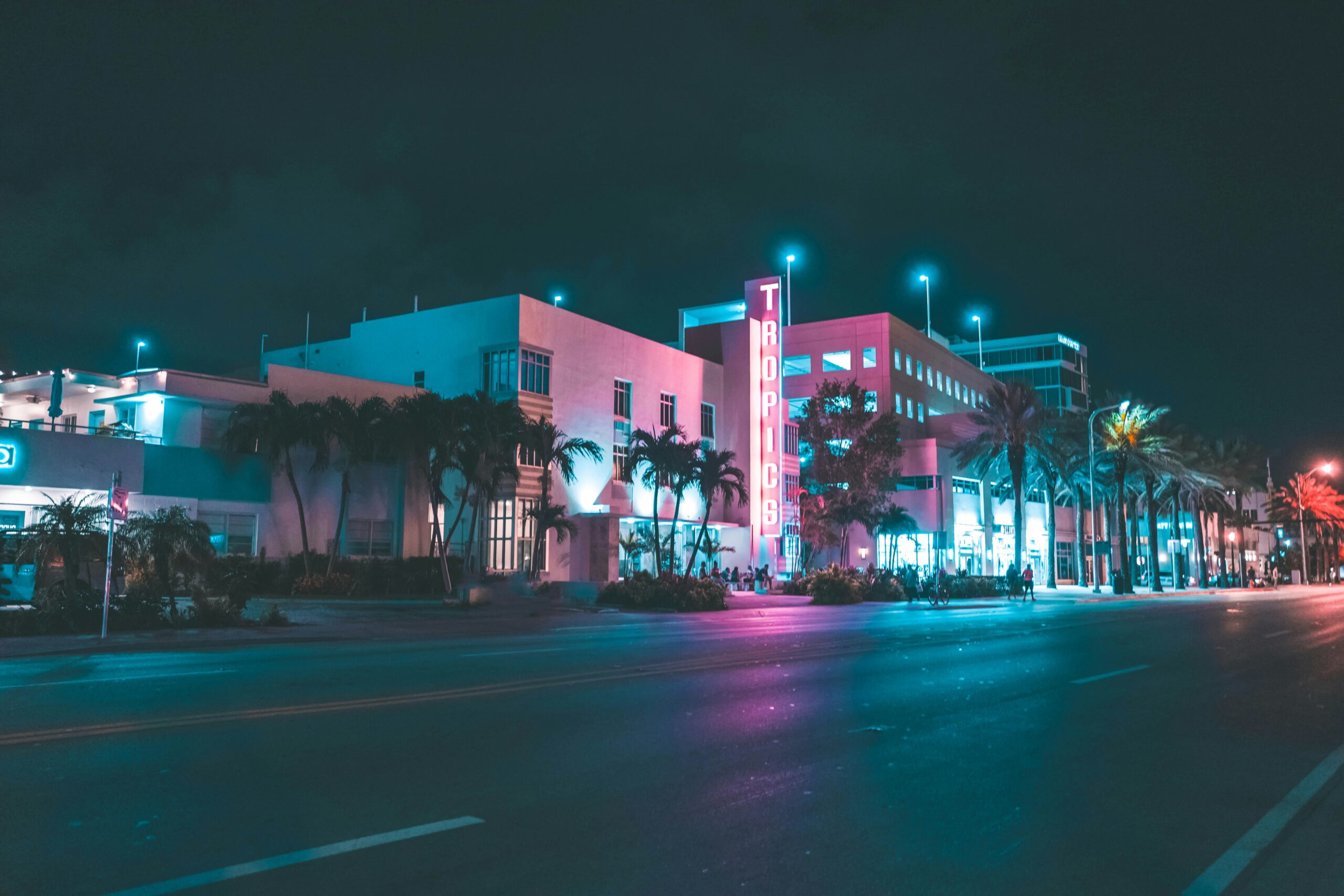
Miami, a vibrant city known for its rich history and iconic landmarks, offers a unique blend of cultural heritage and modern attractions. From its early days as a small settlement to its current status as a global metropolis, Miami’s history is as diverse as its population. This article delves into the fascinating past of Miami, highlighting its most significant landmarks and the stories they tell.
Early Settlements and Native American Heritage
The area now known as Miami was originally inhabited by the Tequesta tribe, who settled along the banks of the Miami River. The Tequesta people lived in the region for thousands of years before European contact. Their legacy can still be seen in various archaeological sites throughout the city, offering a glimpse into Miami’s ancient past.
In the early 19th century, Miami began to take shape as a small trading post. The city’s name is believed to have been derived from the Mayaimi, a Native American tribe that once inhabited the region. This period marked the beginning of Miami’s transformation from a small settlement to a bustling urban center.
The Birth of Modern Miami
Miami’s modern history began in the late 19th century with the arrival of pioneers like Julia Tuttle and Henry Flagler. Tuttle, often referred to as the ‘Mother of Miami,’ played a crucial role in the city’s development. Flagler, a wealthy industrialist, extended his Florida East Coast Railway to Miami in 1896, which spurred rapid growth and development.
The Great Freeze of 1894-1895 in the northern states drove many people to seek warmer climates, and Miami became an attractive destination. The city’s population grew rapidly, and by the early 20th century, Miami had established itself as a major hub in South Florida.
Iconic Landmarks of Miami
Miami is home to numerous landmarks that reflect its rich history and cultural diversity. These landmarks not only attract tourists but also serve as important reminders of the city’s past.
The Vizcaya Museum and Gardens
The Vizcaya Museum and Gardens is a stunning example of Miami’s architectural heritage. Built in the early 20th century by James Deering, a wealthy industrialist, the estate features a blend of Italian Renaissance and Mediterranean Revival styles. The museum houses an extensive collection of art and antiques, while the gardens offer a serene escape from the bustling city.
The Freedom Tower
The Freedom Tower, located in downtown Miami, is a symbol of the city’s Cuban heritage. Originally built as a newspaper headquarters, the tower became a processing center for Cuban refugees in the 1960s. Today, it serves as a museum and cultural center, celebrating the contributions of Cuban immigrants to Miami’s history and culture.
Wynwood Walls
Wynwood Walls is a contemporary art installation that has become one of Miami’s most famous landmarks. The outdoor museum features large-scale murals by renowned artists from around the world. This vibrant and colorful space is a testament to Miami’s thriving arts scene and its commitment to cultural expression.
The Evolution of Miami’s Cultural Landscape
Miami’s cultural landscape has evolved significantly over the years, shaped by waves of immigration and the city’s growing diversity. The city’s unique blend of cultures is reflected in its cuisine, music, and festivals, making it a vibrant and dynamic place to live and visit.
The arrival of Cuban immigrants in the mid-20th century had a profound impact on Miami’s cultural identity. The city’s Little Havana neighborhood has become a hub for Cuban culture, offering authentic cuisine, live music, and a glimpse into the daily life of the Cuban community.
In recent decades, Miami has also become a melting pot of Latin American cultures, with significant communities from countries like Colombia, Venezuela, and Brazil. This diversity is celebrated through various cultural events and festivals, such as the Calle Ocho Festival and the Miami Carnival.
Preserving Miami’s Historical Legacy
As Miami continues to grow and evolve, preserving its historical legacy has become increasingly important. Efforts to restore and maintain historical sites, such as the Miami Art Deco Historic District and the Miami Marine Stadium, ensure that future generations can appreciate the city’s rich past.
Local organizations and government agencies play a crucial role in preserving Miami’s history. The Miami-Dade County Department of Regulatory and Economic Resources, for example, oversees the protection and preservation of historical sites throughout the county. Additionally, community groups and volunteers work tirelessly to maintain and promote Miami’s historical landmarks.
By supporting these efforts, residents and visitors alike can help ensure that Miami’s history continues to be celebrated and preserved for years to come. Whether exploring the city’s museums, attending cultural events, or simply strolling through its historic neighborhoods, there are countless ways to connect with Miami’s past and appreciate its enduring legacy.
Recent Articles Like This One