

Place your bets & win with the fully automated Zcode System!
Exploring New Orleans History & Landmarks: A Journey Through Time
New Orleans, a city steeped in history and culture, is a treasure trove of landmarks that tell the story of its vibrant past. From the iconic French Quarter to the historic St. Louis Cemetery, the city’s history is etched in every corner. Join us as we delve into the rich tapestry of New Orleans history and landmarks, uncovering the secrets and stories that make this city so unique.
Table of Contents
The French Quarter: The Heart of New Orleans
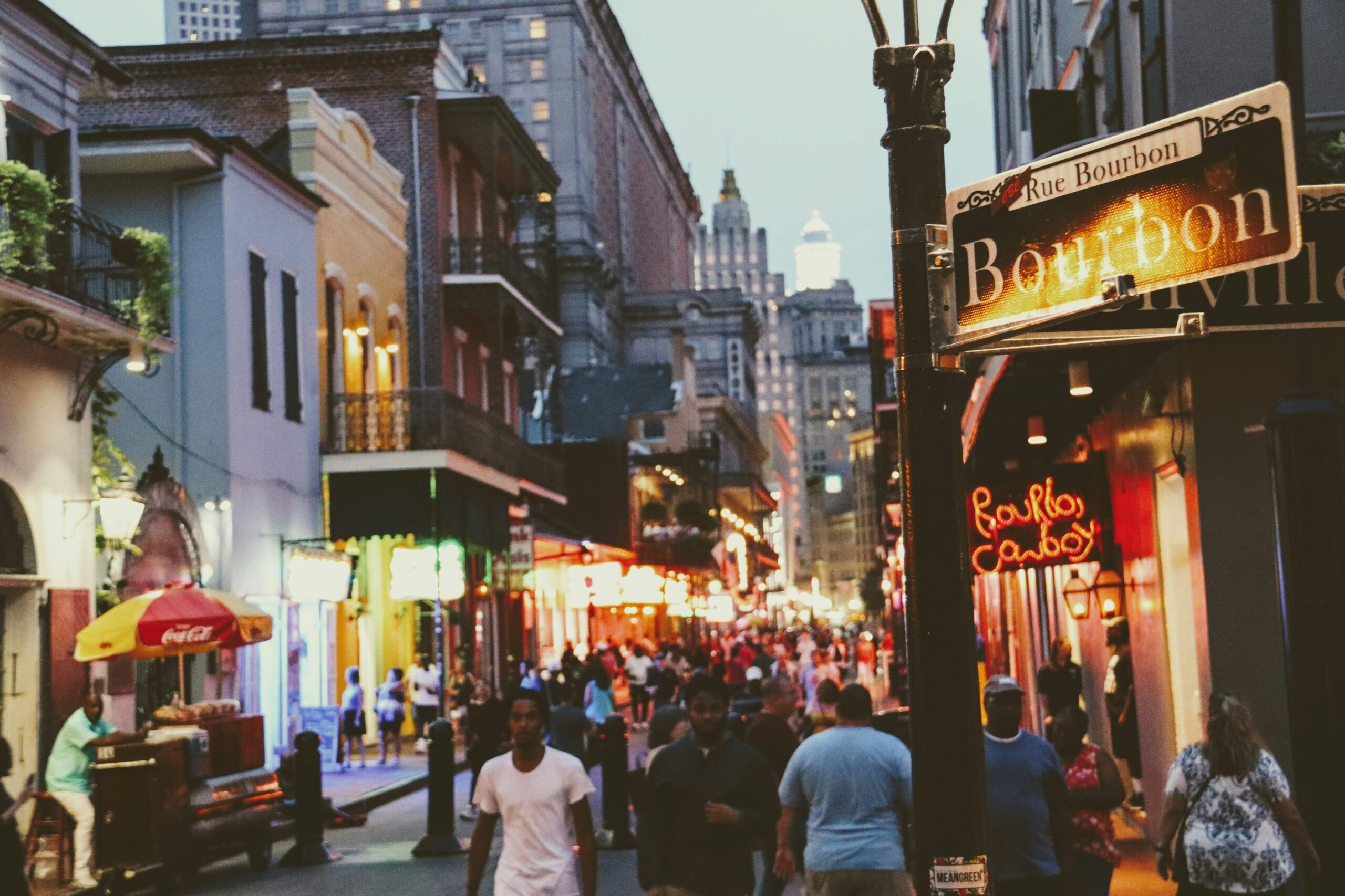
The French Quarter, also known as the Vieux Carré, is the oldest and most famous neighborhood in New Orleans. Established by French settlers in 1718, this historic district is a blend of French, Spanish, and Creole architecture. Walking through the Quarter, you’ll find a labyrinth of narrow streets lined with wrought-iron balconies, vibrant murals, and lively jazz clubs. The French Market, a historic marketplace dating back to 1791, is a must-visit for those looking to experience the local culture and cuisine.
As you stroll through the French Quarter, don’t miss the iconic Jackson Square. This historic park is home to the St. Louis Cathedral, the oldest cathedral in the United States. The square is also a popular gathering spot for street performers and artists, adding to the vibrant atmosphere of the Quarter.
The Garden District: A Glimpse into the Past
Transitioning from the bustling French Quarter, the Garden District offers a more serene and picturesque experience. This historic neighborhood is known for its antebellum mansions and lush gardens. The architecture here is a testament to the city’s rich history, with many homes dating back to the 19th century. A leisurely walk through the Garden District is like stepping back in time, offering a glimpse into the lives of New Orleans’ elite.
One of the most notable landmarks in the Garden District is the Lafayette Cemetery No. 1. This historic cemetery is a popular filming location and a fascinating place to explore. The cemetery is home to the tomb of the famous Voodoo priestess, Marie Laveau, adding a touch of mystery to the neighborhood.
The National WWII Museum: A Tribute to History
For those interested in more recent history, the National WWII Museum is a must-visit. This world-class museum offers a comprehensive look at the impact of World War II on the United States and the world. The museum’s extensive collection includes artifacts, photographs, and personal stories that bring the war to life. The museum also features immersive exhibits, such as the Beyond All Boundaries theater experience, which offers a unique perspective on the war.
The National WWII Museum is not just a tribute to history; it’s also a testament to the resilience and courage of the men and women who served during the war. The museum’s mission is to educate, inspire, and honor, making it a powerful and moving experience for visitors of all ages.
The St. Louis Cemetery No. 1: A Historic Landmark
No visit to New Orleans would be complete without a trip to the St. Louis Cemetery No. 1. This historic cemetery is the final resting place of many notable figures, including the Voodoo queen Marie Laveau. The cemetery is also known for its unique above-ground tombs, a common feature in New Orleans due to the city’s high water table.
Exploring the St. Louis Cemetery No. 1 is like stepping into a history book. The cemetery is filled with stories and legends, from the mysterious tomb of the Unknown to the haunting tales of Voodoo rituals. A guided tour of the cemetery is the best way to uncover the secrets and stories that lie within its walls.
Preserving the Past for the Future
New Orleans is a city that cherishes its past while embracing the future. The city’s historic landmarks are not just relics of a bygone era; they are living, breathing testaments to the city’s rich and vibrant history. Preserving these landmarks is crucial for future generations to understand and appreciate the city’s unique cultural heritage.
From the French Quarter to the Garden District, each landmark tells a story that is integral to the fabric of New Orleans. By exploring these historic sites, visitors can gain a deeper understanding of the city’s past and its impact on the present. Whether you’re a history buff or simply curious about the city’s rich cultural heritage, New Orleans offers a journey through time that is both enlightening and unforgettable.