

Exploring New York City History & Landmarks: A Journey Through Time
New York City, a metropolis that never sleeps, is a living museum of American history and culture. From its humble beginnings as a Dutch trading post to its current status as a global powerhouse, the city’s history is etched in its landmarks, each telling a unique story. Join us as we delve into the rich tapestry of New York City history and landmarks, exploring the past while standing in the present.
New York City’s Humble Beginnings
The story of New York City begins in 1624, when the Dutch West India Company established a trading post on the southern tip of Manhattan Island. This post, named New Amsterdam, would eventually become the bustling city we know today. The Dutch influence is still evident in some of the city’s oldest landmarks, such as the Stone Street Historic District and the Wyckoff House Museum.
In 1664, the English took control of the city and renamed it New York, after the Duke of York. This marked the beginning of a new era for the city, one that would see it grow into a major center of trade and commerce. The city’s history is marked by periods of growth and decline, but it has always managed to bounce back stronger than before.
The Birth of a Nation
New York City played a pivotal role in the American Revolution, serving as a strategic location for both the British and the Continental Army. The city’s history is filled with tales of bravery and sacrifice, from the famous ride of Paul Revere to the Battle of Long Island. Today, visitors can explore these historic sites and learn about the city’s role in the birth of a nation.
One of the most significant landmarks from this period is the Fraunces Tavern, where George Washington famously gave his farewell address to his officers. The tavern, which dates back to 1762, is a testament to the city’s rich history and its role in the American Revolution. Other notable landmarks include the Morris-Jumel Mansion, the oldest house in Manhattan, and the Old Stone House, a reconstructed fort that played a key role in the Battle of Brooklyn.
The Gilded Age and the Rise of the Skyscraper
As the 19th century drew to a close, New York City entered a period of unprecedented growth and prosperity. The Gilded Age, as it came to be known, was marked by the rise of the skyscraper and the construction of some of the city’s most iconic landmarks. The Statue of Liberty, a gift from France, was unveiled in 1886 and quickly became a symbol of freedom and democracy.
The early 20th century saw the construction of the Empire State Building, the Chrysler Building, and the Rockefeller Center, each of which has become an iconic symbol of the city. These landmarks, along with the Brooklyn Bridge, which was completed in 1883, have come to define the New York City skyline and its place in the world.
New York City in the 21st Century
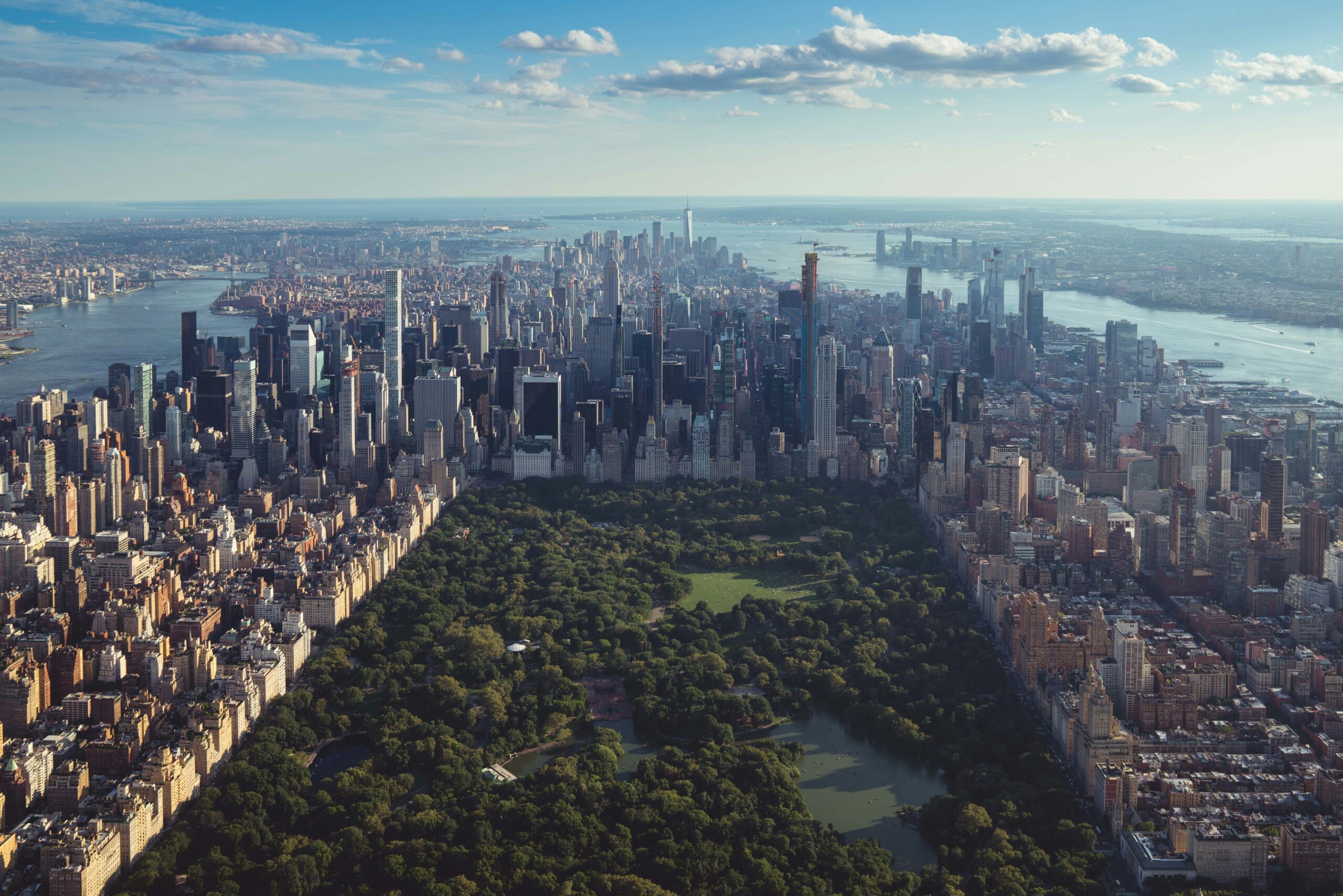
Today, New York City is a vibrant, multicultural metropolis that attracts millions of visitors each year. From the bustling streets of Times Square to the serene beauty of Central Park, the city offers something for everyone. Its landmarks, from the historic to the modern, tell the story of a city that has always been at the forefront of American history and culture.
As you explore the city’s landmarks, take the time to appreciate the rich history and culture that surrounds you. Whether you’re a history buff, an architecture enthusiast, or simply a curious traveler, New York City has something to offer you. So, grab your camera, put on your walking shoes, and get ready to explore one of the most fascinating cities in the world.
Recent Articles Like This One