


Global Cybersecurity Threats: How 2025 Is Shaping Digital Security Worldwide
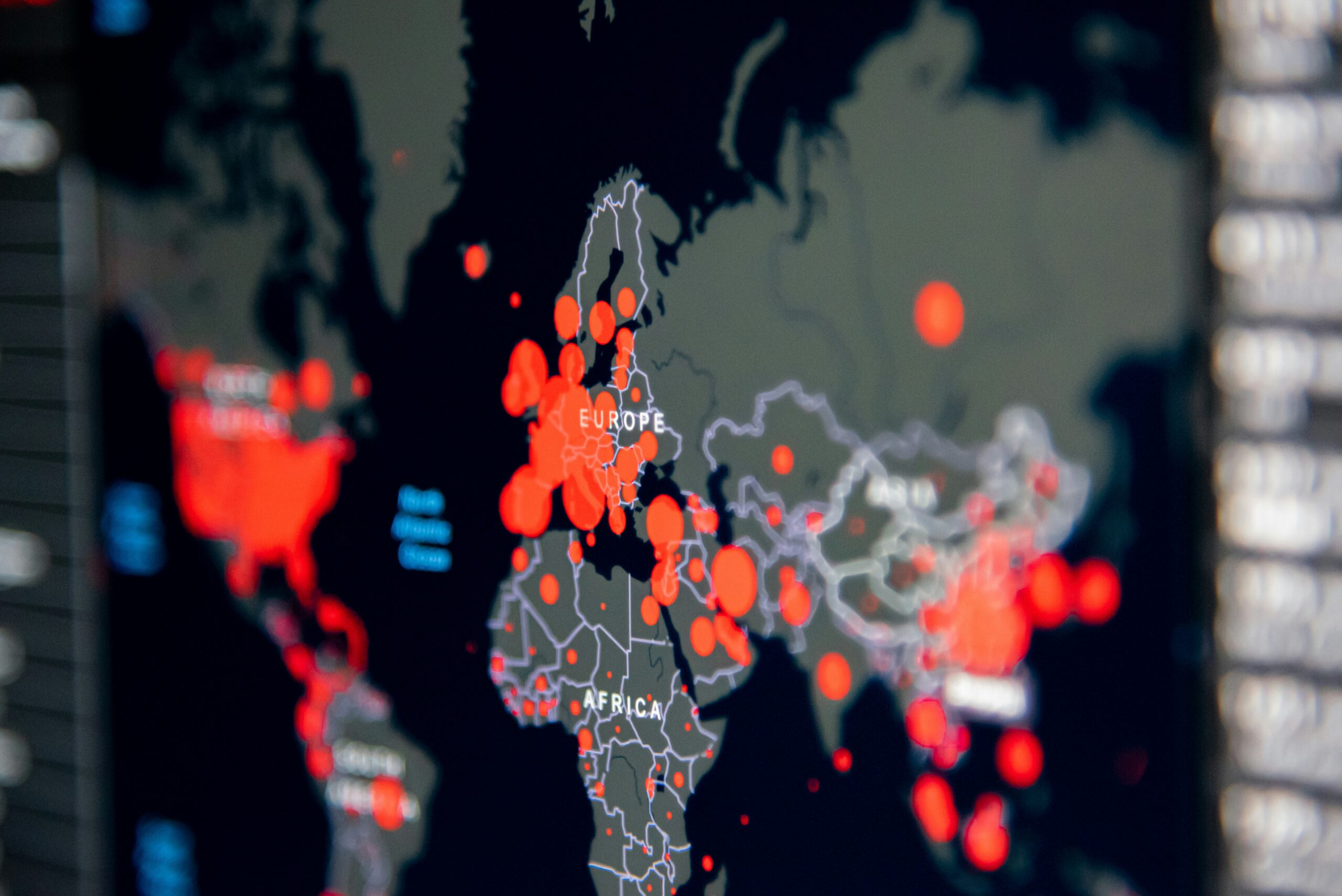
In 2025, cybersecurity has become one of the most critical issues affecting governments, corporations, and individuals around the world. With the increasing reliance on digital infrastructure, cloud services, and connected devices, cyber threats are no longer a niche concern—they have become central to global security, economic stability, and national defense. Attacks can disrupt entire economies, compromise sensitive data, and even impact essential services such as energy, healthcare, and transportation.
This article examines the current landscape of global cybersecurity threats, exploring major attack vectors, the most affected regions, notable incidents, and strategies governments and organizations are implementing to protect against digital intrusions. Understanding the state of cybersecurity in 2025 is vital for anyone following world news, as these threats shape policy, business strategy, and international relations.
The Evolving Nature of Cyber Threats
Cyber threats in 2025 are more sophisticated, targeted, and frequent than ever before. Malicious actors range from individual hackers to organized criminal groups and state-sponsored entities.
Key Types of Threats
- Ransomware attacks locking critical systems
- Phishing campaigns targeting individuals and corporations
- Advanced persistent threats (APTs) by state-sponsored groups
- Distributed denial-of-service (DDoS) attacks affecting networks
- Malware targeting industrial control systems
The rise of AI-assisted attacks has accelerated the sophistication of cyber campaigns, making detection and prevention more challenging for organizations of all sizes.
State-Sponsored Cyber Operations
National governments are increasingly engaging in cyber operations, often blurring the line between espionage, sabotage, and direct attacks.
Global Hotspots for Cyber Operations
- Russia and Eastern Europe
- China and Southeast Asia
- Middle East cyber campaigns
- North America and Western Europe
State-sponsored attacks can target critical infrastructure, disrupt financial markets, or steal intellectual property. These operations often escalate geopolitical tensions, influencing diplomacy, trade negotiations, and even military posturing.
Corporate Vulnerabilities and High-Profile Breaches
Businesses remain prime targets due to the economic value of data and the widespread reliance on technology for operations. Breaches can have cascading effects across industries and borders.
Recent Corporate Threats
- Data leaks compromising millions of users
- Attacks on supply-chain software affecting global operations
- Ransomware halting production in manufacturing hubs
- Breaches of cloud service providers impacting multiple clients
These incidents highlight the importance of robust cybersecurity protocols, employee training, and proactive risk management strategies.
Critical Infrastructure Under Threat
Essential services are increasingly digitalized, making them more vulnerable to cyber attacks.
Areas of Concern
- Energy grids and power plants
- Water and sewage management systems
- Transportation networks including aviation and rail
- Healthcare systems and hospital networks
- Financial institutions and payment networks
Attacks on critical infrastructure can have immediate human and economic consequences, emphasizing the need for both resilience and rapid response capabilities.
The Role of Artificial Intelligence and Automation
While AI provides defense opportunities, it also empowers attackers to create more sophisticated threats. Automation allows for faster, more targeted, and adaptive attacks.
AI-Driven Challenges
- Automated phishing and social engineering
- Smart malware capable of evading detection
- Predictive attacks based on behavioral analysis
- Exploitation of AI-powered devices and IoT systems
Organizations are investing in AI-driven cybersecurity solutions to counter these threats, but the technological arms race is ongoing and increasingly complex.
Regional Analysis: Cybersecurity Landscapes Worldwide
North America
The U.S. and Canada face frequent attacks from both state-sponsored groups and criminal organizations. Emphasis is on protecting government networks, financial systems, and critical infrastructure.
Europe
Europe experiences sophisticated cyber espionage campaigns targeting businesses, government systems, and healthcare. The EU has increased investment in cybersecurity frameworks and cooperative defense measures.
Asia
Asia is a hotspot for both offensive and defensive cyber operations. Nations like China, India, and South Korea are heavily investing in cyber capabilities to protect critical infrastructure and expand digital sovereignty.
Middle East
The region faces cyber warfare related to geopolitical tensions, targeting energy, financial, and government networks. Investments in cybersecurity are growing rapidly.
Africa and Latin America
Emerging digital infrastructure is increasingly targeted by cybercriminals. Governments are expanding national cyber strategies and international cooperation to mitigate risks.
Economic Impacts of Cyber Threats
Cybersecurity threats have profound economic consequences. Beyond direct losses from theft or operational disruption, the broader impact affects investor confidence, trade, and market stability.
Key Economic Implications
- Losses in corporate revenue due to operational downtime
- Increased insurance premiums for cyber risk coverage
- Costs of incident response and remediation
- Market volatility in affected sectors
- Long-term impacts on international trade relationships
The economic fallout reinforces the importance of investing in preventive and adaptive cybersecurity measures.
Human and Social Implications
Cyber attacks also affect individuals, undermining trust in digital systems and exposing sensitive personal information.
Areas of Concern for Individuals
- Identity theft and financial fraud
- Privacy breaches of sensitive personal data
- Disruption of essential services
- Psychological stress from ransomware or phishing experiences
- Increased dependence on digital literacy for safety
As societies become more digitally integrated, individual cybersecurity awareness becomes a critical component of national resilience.
Government and International Responses
Countries are increasingly recognizing cybersecurity as a matter of national security. Strategies include policy development, regulatory oversight, and international collaboration.
Common Government Measures
- National cybersecurity centers for monitoring and response
- Mandatory reporting of cyber incidents for critical sectors
- Public-private partnerships for threat intelligence sharing
- Cyber defense exercises simulating large-scale attacks
- Diplomatic engagement to establish cyber norms
International organizations are also playing a growing role in promoting cooperative frameworks to manage cross-border cyber threats.
The Road Ahead: Preparing for the Future
The cybersecurity landscape in 2025 shows no signs of slowing. Threats are becoming more sophisticated, interconnected, and potentially disruptive. Governments, corporations, and individuals must remain vigilant and adaptive, leveraging both technology and policy to safeguard digital infrastructure.
Key Strategies Moving Forward
- Investment in advanced threat detection and AI defense systems
- Training and workforce development in cybersecurity skills
- Strengthening international cooperation on cyber norms and law enforcement
- Developing resilience plans for critical infrastructure
- Encouraging corporate responsibility and consumer awareness
Cybersecurity is no longer a back-office concern — it is a core component of global stability, economic resilience, and national security. In 2025, the battle for digital security is one of the defining challenges shaping world news, politics, and international relations.
Recent Articles Like This One