


Global Water Scarcity: How 2025 Is Highlighting a Worldwide Crisis
Introduction: A Rising Global Challenge
Water scarcity is emerging as one of the most pressing global issues of 2025. Despite advances in technology and infrastructure, millions of people across continents are struggling to access clean, safe water. The issue is not only a humanitarian concern but also a geopolitical, economic, and environmental one. From agriculture to energy production, industry to household consumption, the availability of water affects nearly every aspect of modern life.
This article explores global water scarcity trends in 2025, analyzing the key drivers of shortages, the regions most affected, and the potential solutions nations and organizations are implementing. Understanding the current state of water availability is essential, as shortages are already influencing migration, food production, economic stability, and political tensions worldwide.
Climate Change: Intensifying Droughts and Floods
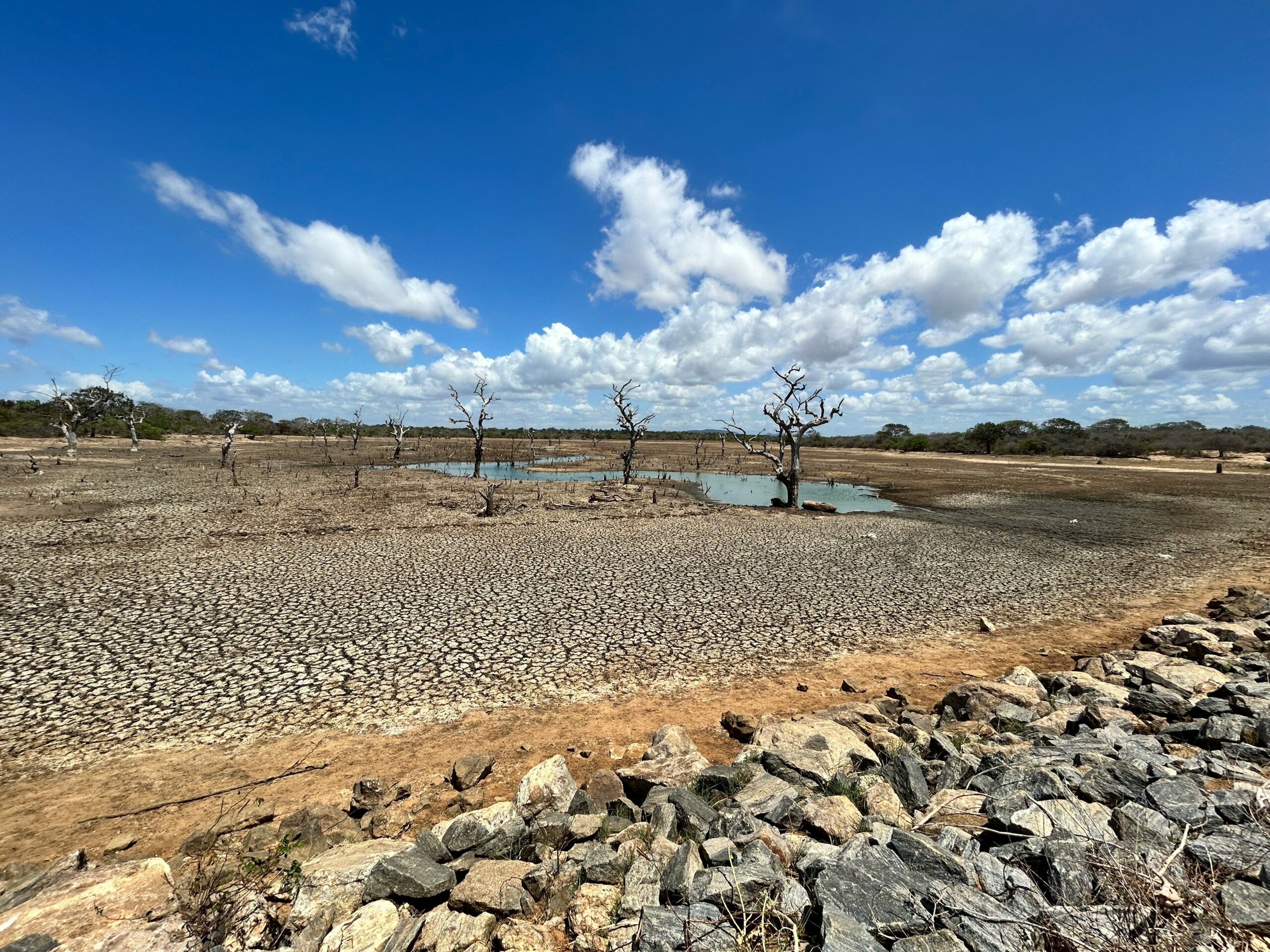
Climate change remains the primary driver of water scarcity. Rising global temperatures, shifting precipitation patterns, and more frequent extreme weather events disrupt water cycles.
Key Climate Impacts
- Extended droughts in Africa, the Middle East, and parts of Asia
- Melting glaciers reducing freshwater supply in South America and Asia
- Flooding contaminating water sources and damaging infrastructure
- Increased evaporation rates affecting reservoirs and rivers
These changes make it increasingly difficult for governments and communities to predict water availability, complicating long-term planning for agriculture, industry, and urban development.
Population Growth and Urbanization
Growing populations are placing additional pressure on water resources, especially in urban areas. Rapid urbanization requires expanded water infrastructure and reliable distribution systems, which many developing countries struggle to provide.
Urban Water Challenges
- Increased residential consumption
- Higher demand for sanitation and hygiene
- Industrial expansion competing with household needs
- Stress on aging infrastructure in major cities
Cities in regions like South Asia, Sub-Saharan Africa, and the Middle East are facing the most acute challenges, with millions at risk of inadequate water access.
Agriculture: The Largest Consumer of Freshwater
Agriculture consumes more freshwater than any other sector. In 2025, competition for water between farms and other users has intensified.
Agricultural Water Pressures
- Irrigation-intensive crops such as rice, wheat, and corn strain resources
- Inefficient irrigation methods waste significant water
- Climate variability reduces reliability of rainfall-fed agriculture
- Growing food demand requires more water-intensive production
Water scarcity in agriculture can lead to reduced crop yields, higher food prices, and increased risk of famine in vulnerable regions.
Industrial and Energy Demands
Industry and energy production increasingly compete for limited water supplies. Thermal power plants, manufacturing facilities, and mining operations require large volumes of water, often impacting local communities.
Impacts of Industrial Water Use
- Water diversion from rivers reduces supply for households
- Pollution from industrial processes contaminates freshwater sources
- Hydropower projects can disrupt natural water cycles
- Economic growth may exacerbate water stress if not carefully managed
Balancing industrial needs with community and environmental requirements is a growing policy challenge worldwide.
Geopolitical Implications of Water Scarcity
Water scarcity is not just a domestic issue—it has significant geopolitical consequences. Countries sharing rivers or aquifers often experience tension when upstream usage reduces downstream availability.
Key Regions of Concern
- The Nile Basin, where upstream developments affect Egypt and Sudan
- The Tigris-Euphrates system in the Middle East
- The Indus River between India and Pakistan
- Shared aquifers in North Africa and Central Asia
Transboundary water disputes have the potential to escalate into broader conflicts if not managed through cooperation, agreements, and sustainable water-sharing policies.
Technology and Innovation as Solutions
Technology offers potential pathways to mitigate water scarcity. Innovations are being deployed in water management, purification, and efficiency.
Key Technological Interventions
- Desalination plants providing freshwater in arid regions
- Smart irrigation and precision agriculture reducing water waste
- Water recycling and reuse in industrial and residential settings
- Advanced monitoring systems to manage resources in real-time
While technology helps, it requires significant investment and governance to scale effectively, particularly in low-income regions.
Policy Responses and International Cooperation
Governments are increasingly prioritizing water management as a central policy issue. International cooperation is also critical given the transboundary nature of many water resources.
Policy Strategies
- National water conservation initiatives
- Investment in infrastructure and pipeline networks
- Agreements on shared rivers and aquifers
- Incentives for water-efficient practices in agriculture and industry
Global organizations and NGOs are also playing a crucial role in raising awareness, funding projects, and supporting emergency interventions for communities facing acute shortages.
Humanitarian Impact: Water Insecurity and Health
Lack of access to clean water has profound consequences for health, livelihoods, and social stability. Millions of people face increased risk of disease, malnutrition, and displacement.
Key Humanitarian Concerns
- Contaminated water causing diarrheal diseases and other illnesses
- Limited sanitation leading to outbreaks in densely populated areas
- Water scarcity forcing migration and contributing to urban slums
- Reduced agricultural output affecting food security
Addressing water scarcity is therefore not only a matter of economic or environmental management—it is a critical component of human security.
Regional Analysis: How Water Scarcity Manifests Worldwide
Middle East and North Africa
Some of the world’s driest regions face severe scarcity. Countries rely heavily on desalination, but rising demand threatens sustainability.
Sub-Saharan Africa
Population growth, climate change, and weak infrastructure intensify challenges. Investments in wells, reservoirs, and irrigation systems are urgent.
Asia
Countries such as India, China, and Pakistan face intense competition between agriculture, industry, and cities. Glacial melt impacts river flow and seasonal availability.
Latin America
Deforestation and urban growth impact watersheds, while mega-cities struggle with water distribution.
Europe
Southern Europe experiences droughts and water stress, especially in agriculture-dependent regions.
Conclusion: Water Scarcity as a Central Global Issue
Global water scarcity in 2025 is a defining challenge of the decade. Climate change, population growth, industrial demand, and geopolitical pressures all converge to create a complex crisis. Without concerted action—through technology, policy, and international cooperation—millions will continue to face severe water insecurity.
Addressing water scarcity requires a holistic approach that integrates environmental sustainability, human development, and economic resilience. For policymakers, businesses, and citizens alike, managing water effectively is no longer optional—it is essential to the stability and prosperity of the modern world.
Recent Articles Like This One