

Washington, D.C.’s Historic Districts: A Guide to the City’s Most Storied Neighborhoods
Washington, D.C. is a city built on history, and its neighborhoods reflect centuries of political, cultural, and architectural evolution. Exploring these districts offers a deeper understanding of how the capital developed and why its identity is so unique. From cobblestone streets to iconic rowhomes and cultural corridors, D.C.’s historic neighborhoods provide endless opportunities for discovery.
Georgetown
Georgetown is Washington’s oldest neighborhood, founded in 1751—predating the city itself. Known for its Federal-style architecture, waterfront views, and upscale shops, it blends historic charm with modern sophistication. Visitors can stroll along M Street, explore the historic C&O Canal, or admire the well-preserved rowhouses that define the area.
Capitol Hill
Capitol Hill is both a political and residential center, home to the U.S. Capitol, the Library of Congress, and the Supreme Court. Beyond its government buildings, the neighborhood features Eastern Market, brick rowhomes, and leafy streets that carry the character of a classic Washington community.
Dupont Circle
Dupont Circle offers a mixture of embassies, historic mansions, and lively cafés. Known for its European feel and walkability, the neighborhood is filled with beautiful architecture and cultural institutions. It’s a top destination for anyone who wants history mixed with modern city energy.
Foggy Bottom
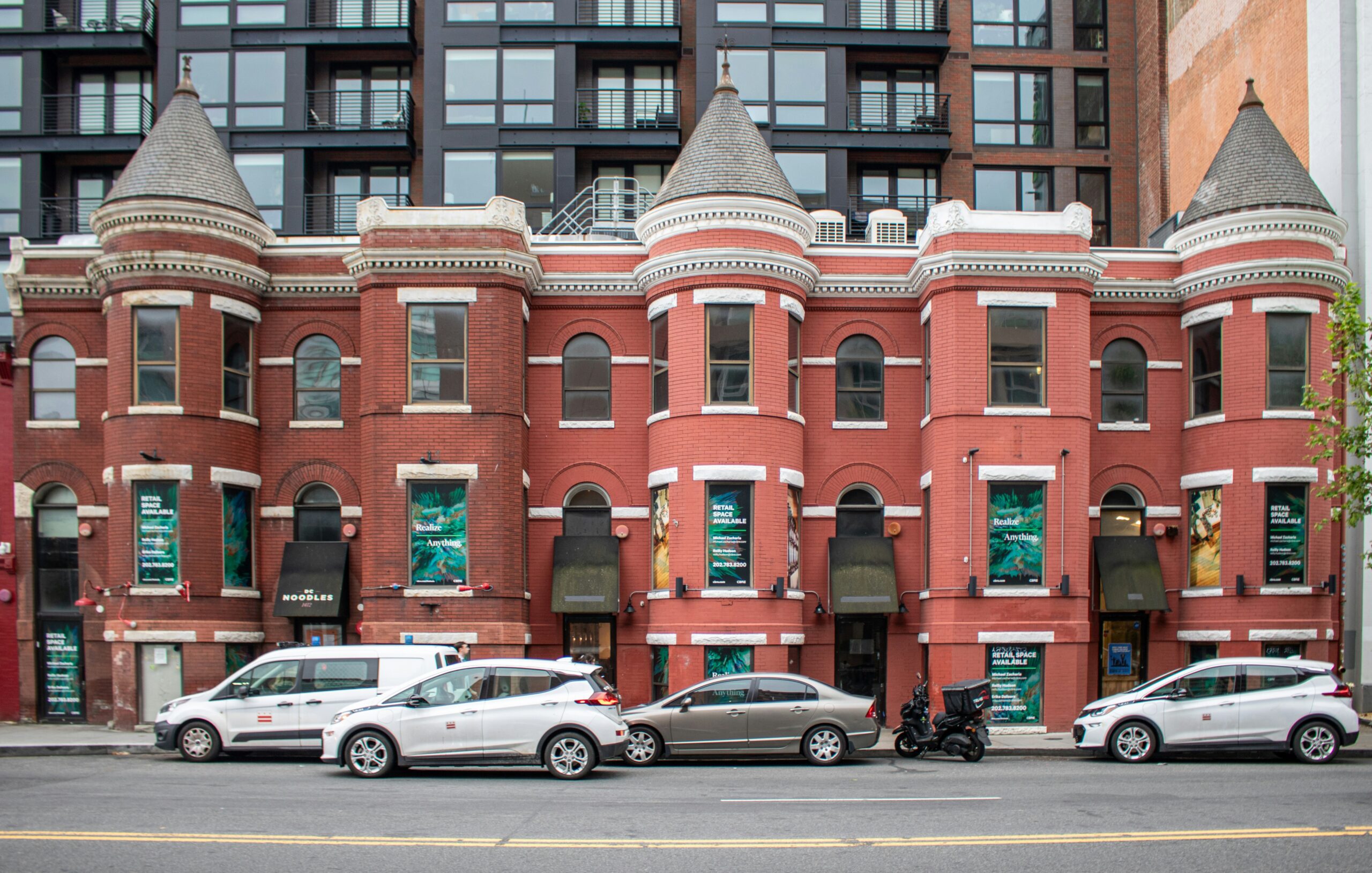
Foggy Bottom is one of the city’s oldest areas, recognized for its 19th-century brick townhomes and its role in the city’s industrial past. Today it is home to the Kennedy Center, George Washington University, and a mix of preserved structures and contemporary buildings.
Shaw
Shaw is deeply tied to African American history, particularly the legacy of jazz legend Duke Ellington. Historic theaters, murals, and vibrant nightlife reflect the neighborhood’s cultural importance and ongoing revitalization.
Recent Articles Like This One