


Astronomy

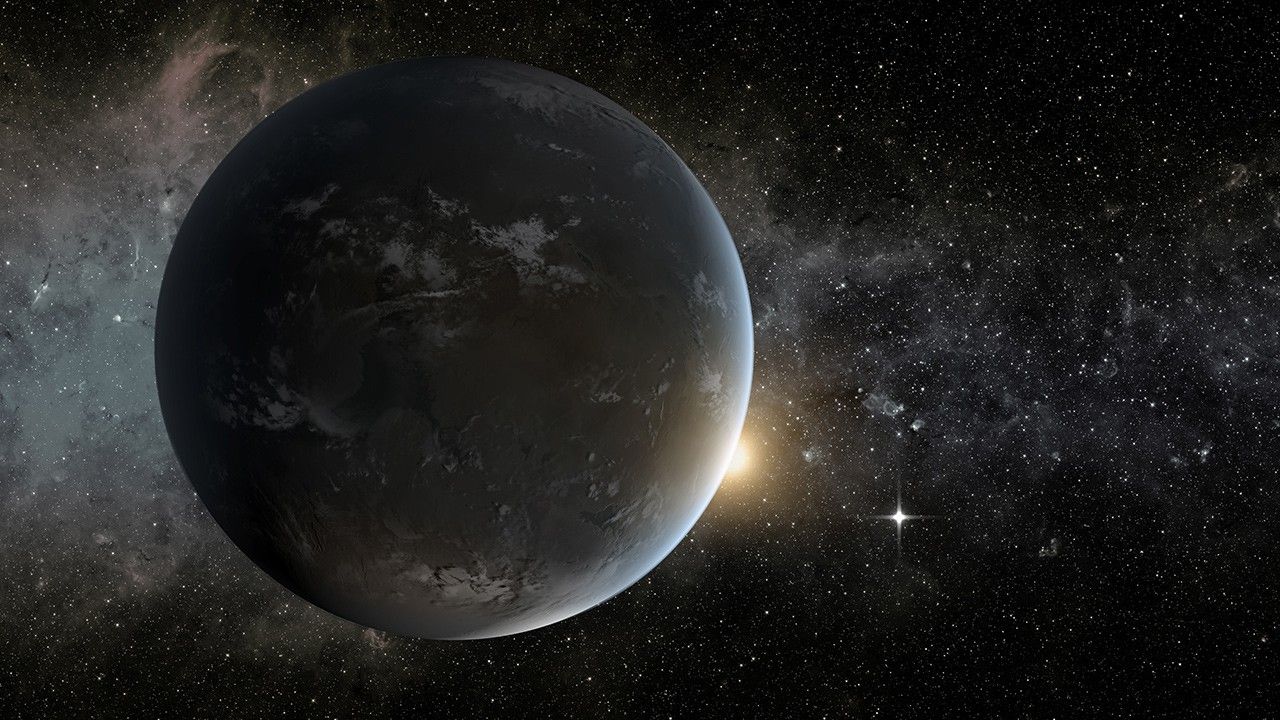
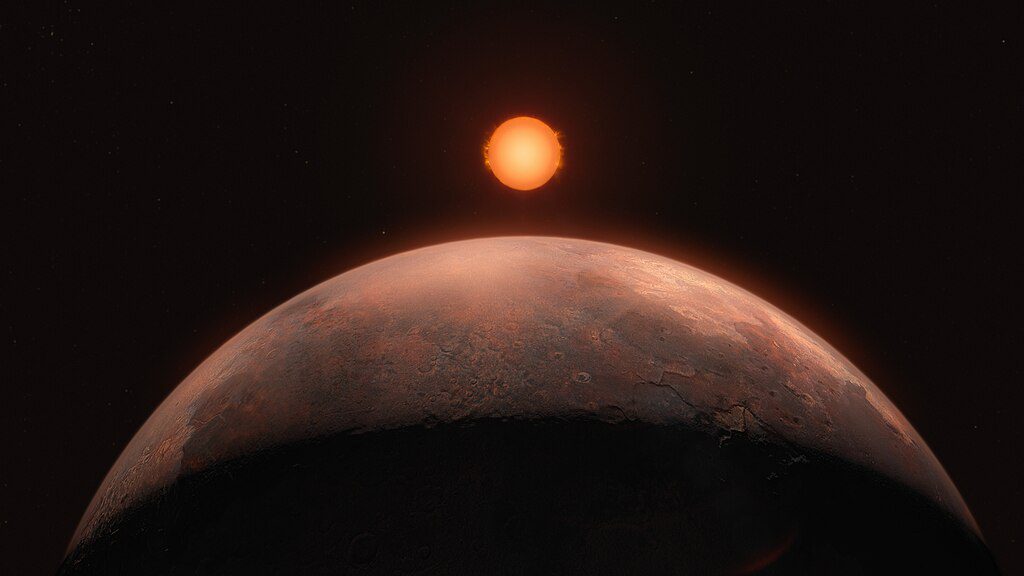
Wolf 1069 b is a nearby rocky exoplanet that orbits within the temperate zone of its star. Where Wolf 1069 b Is Found Wolf 1069 b is located about 31 light years from Earth, making it one of the closer rocky exoplanets discovered. Orbital and Physical Traits The planet has a mass similar to Earth and completes an orbit in roughly two weeks. Potential Surface Conditions Because it orbits a [...]

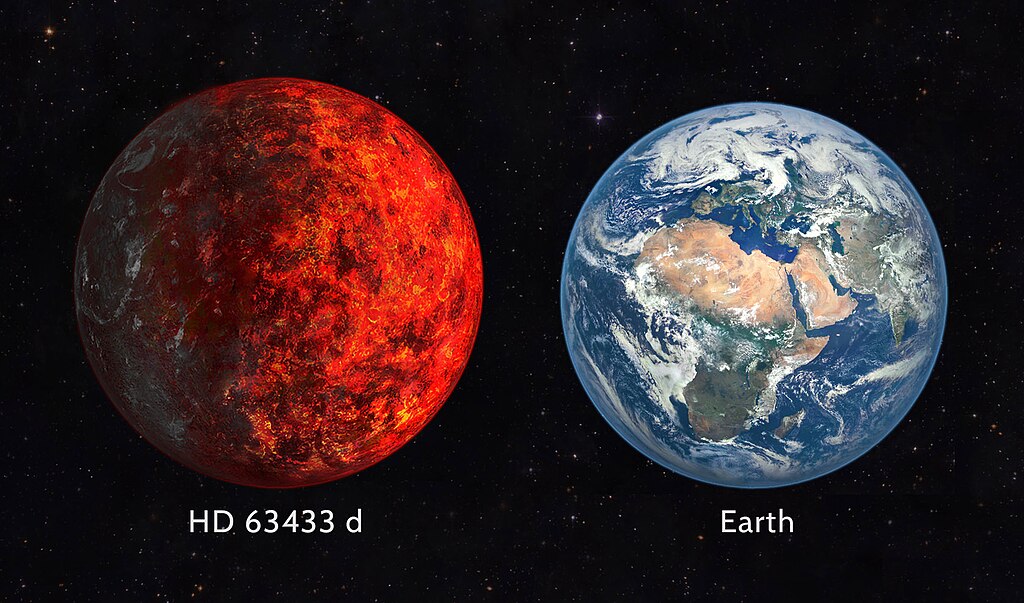
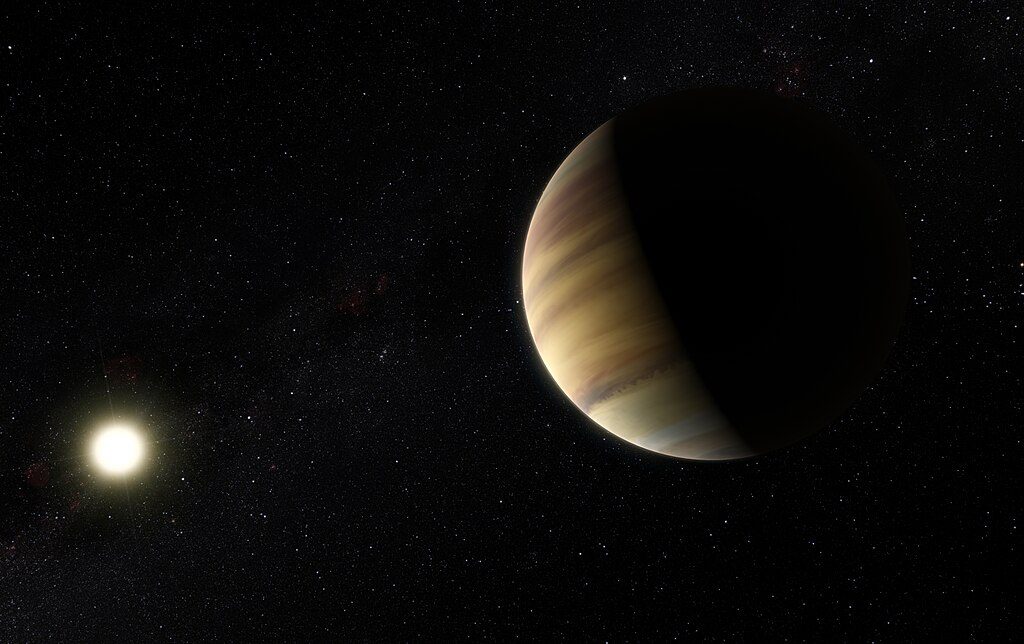
HD 63433 d is a newly identified planet in a relatively young star system. A Young Star System HD 63433 is significantly younger than the Sun, making its planets valuable for studying early planetary evolution. Characteristics of HD 63433 d The planet is believed to be larger than Earth and may still be cooling from its formation. Why Age Matters in Exoplanet Research Young planets help scientists test models of [...]

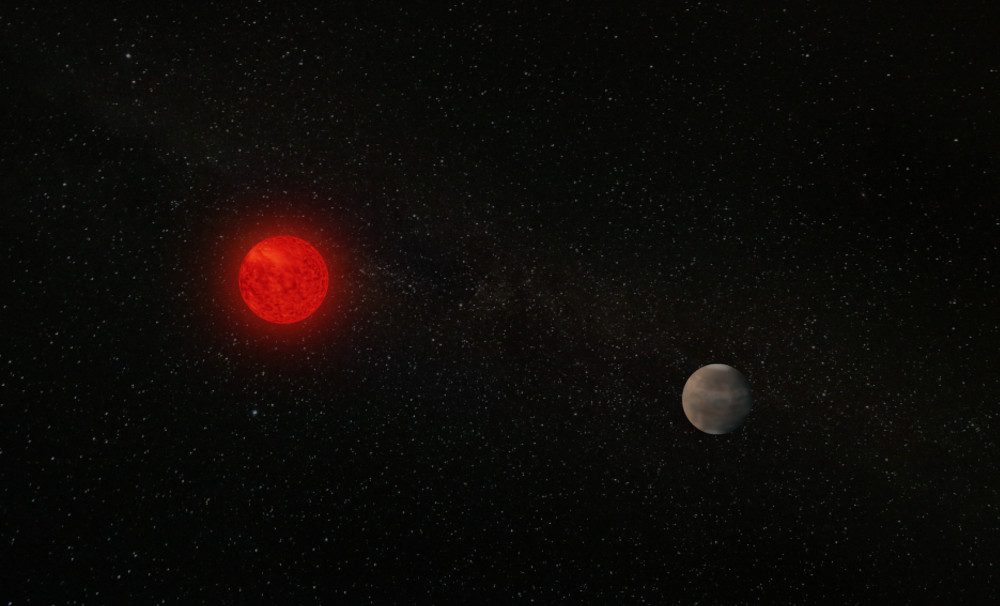
LP 791-18 d is a fascinating exoplanet believed to experience intense volcanic activity. Location of LP 791-18 d LP 791-18 d orbits a red dwarf star approximately 90 light years away. It exists in a tightly packed planetary system with strong gravitational interactions. Why Scientists Think It Is Volcanic Gravitational forces from neighboring planets may cause internal heating, similar to Jupiter’s moon Io. This tidal heating can drive constant volcanic [...]

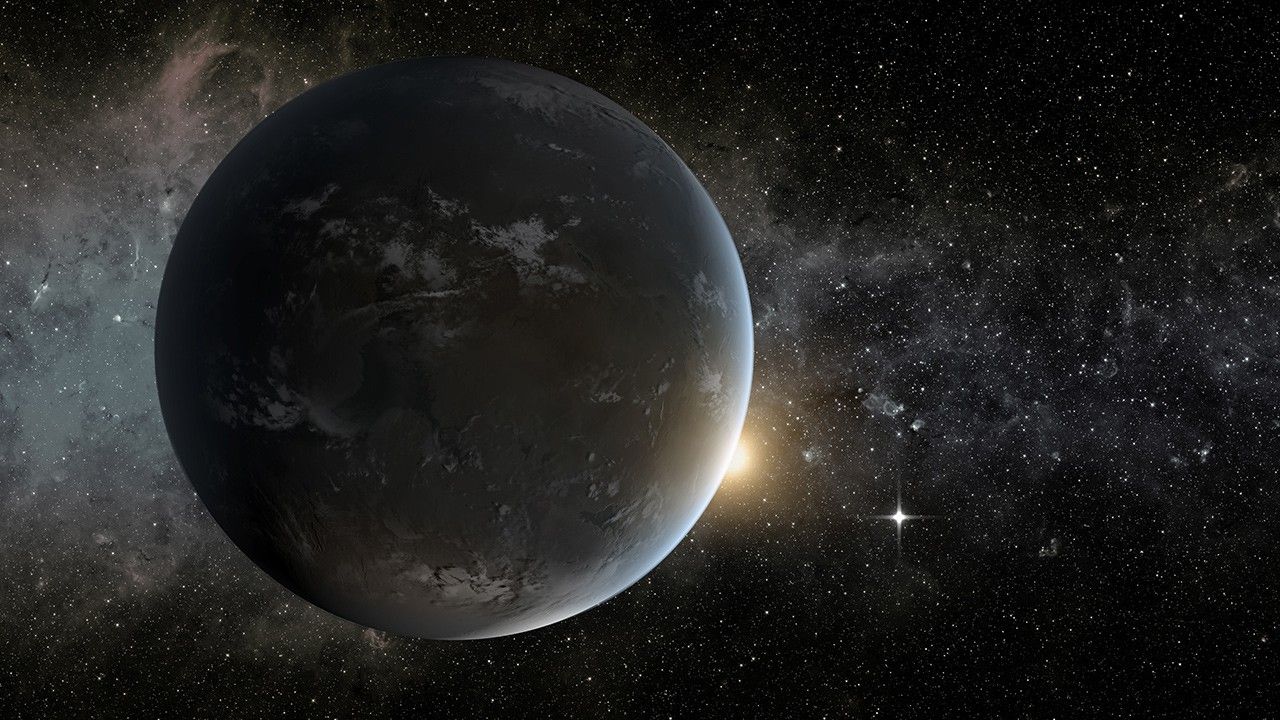
TOI-715 b is a newly characterized exoplanet that has drawn attention for orbiting within the habitable zone of its star. TOI-715 b is larger than Earth but still rocky, placing it in the category of super-Earths. Discovery of TOI-715 b TOI-715 b was detected using transit observations, where astronomers measure small dips in starlight as a planet passes in front of its star. This method allows researchers to estimate size [...]
-
Gliese 12 b is gaining attention as one of the most intriguing nearby exoplanets discovered in recent years. What makes Gliese 12 b especially interesting is its size, proximity to Earth, and potential for further atmospheric study. As astronomers continue to search for planets that resemble Earth, Gliese 12 b stands out as a strong candidate for long-term observation. Where Gliese 12 b Is Located Gliese 12 b orbits a [...]

Discovery and Identification of TOI-3235 b TOI-3235 b became notable in recent astronomy news as a newly confirmed Neptune-like exoplanet discovered through data from NASA’s Transiting Exoplanet Survey Satellite. The planet was identified when TESS detected consistent, shallow dips in the brightness of its host star, indicating a medium-sized planet passing in front of it. Follow-up observations helped confirm the planet’s size, mass, and orbital parameters. Unlike massive gas giants, [...]
-
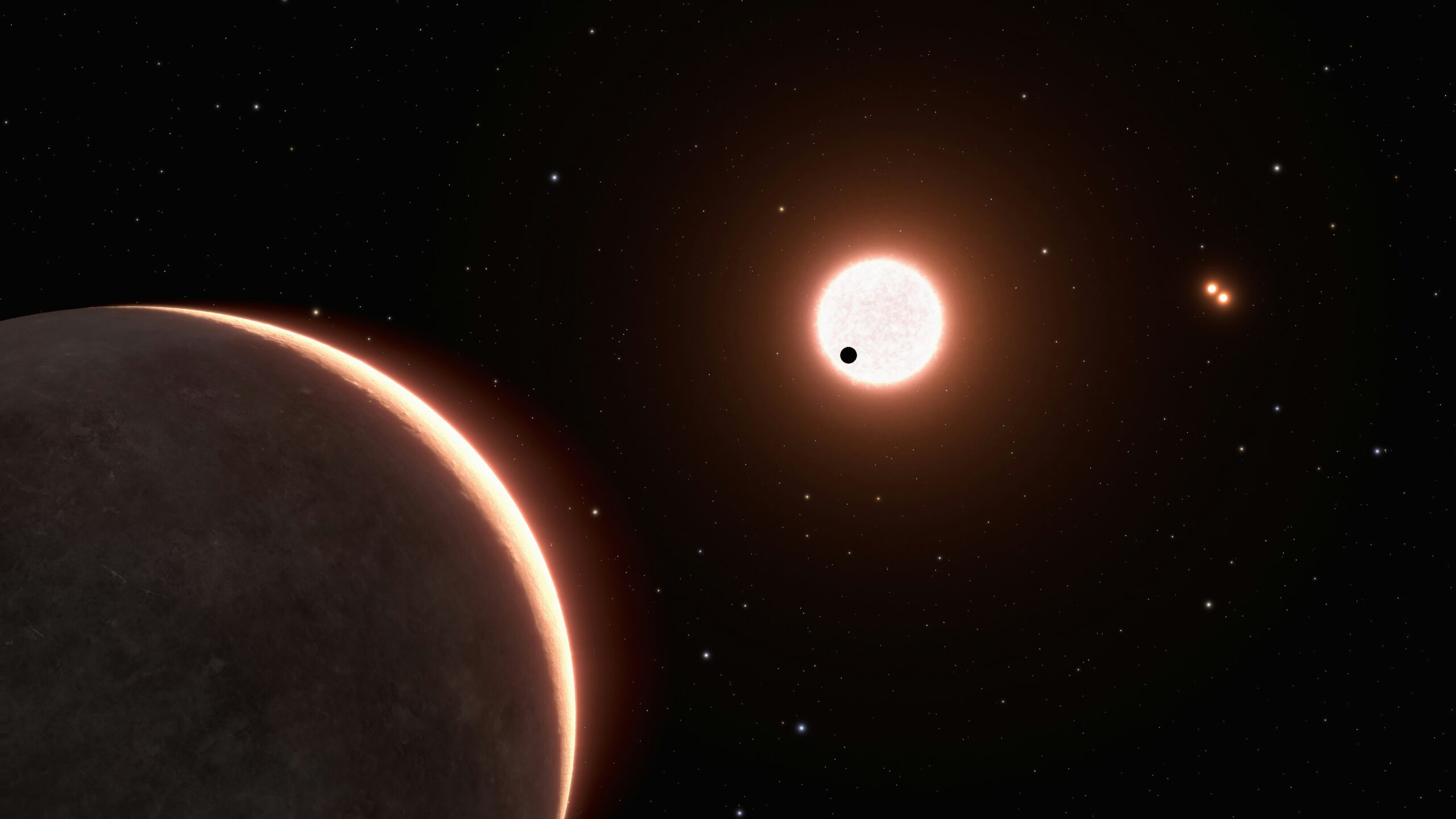
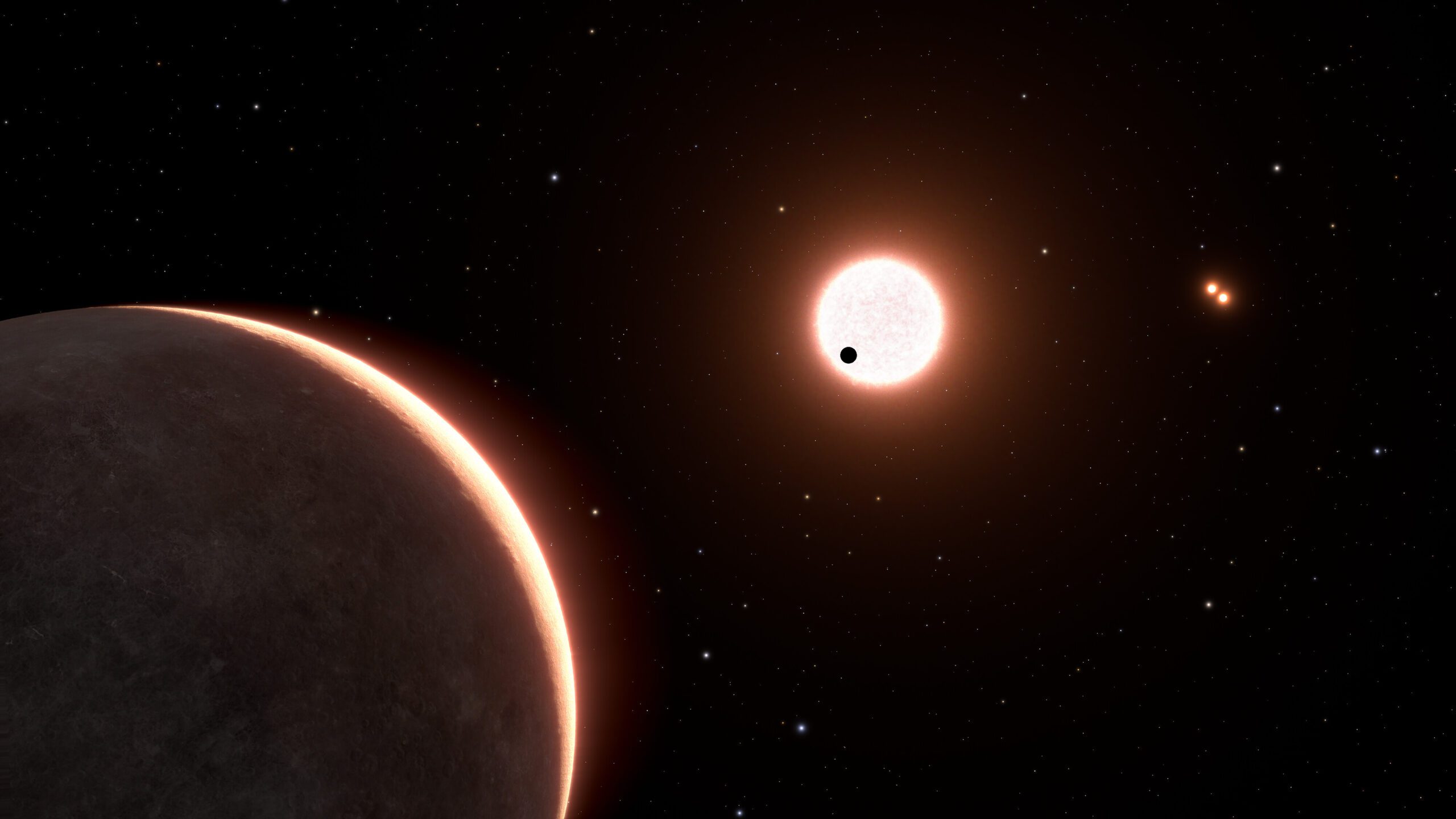
Discovery and Identification of LTT 1445Ab LTT 1445Ab has attracted attention because it orbits one star in a rare nearby triple-star system. The planet was discovered by NASA’s TESS mission, which observed periodic dips in the star’s brightness caused by the planet transiting across its host. Its proximity—just over 22 light-years from Earth—makes it one of the closest known transiting exoplanets, providing a unique opportunity for detailed study. The triple-star [...]

Discovery and Detection of TOI-7166 b TOI-7166 b recently made headlines as a newly validated mini-Neptune discovered by NASA’s Transiting Exoplanet Survey Satellite. Its significance stems from its location: it orbits within the habitable zone of its host star, where temperatures may allow liquid water to exist on a planet with suitable conditions. Although TOI-7166 b is likely a gaseous world, its discovery opens up intriguing possibilities for studying habitable-zone [...]

Discovery and Detection of TOI-6883Ab TOI-6883Ab drew attention in recent exoplanet news because it represents a class of giant planets with unusual and highly eccentric orbits. The planet was first identified using data from NASA’s Transiting Exoplanet Survey Satellite, which detected periodic dips in the brightness of its host star. These signals suggested a large planet passing in front of the star, but follow-up observations revealed a more complex and [...]

Discovery and Detection by TESS TOI-6034 b entered the astronomy spotlight after being identified by NASA’s Transiting Exoplanet Survey Satellite as an extreme example of a hot Jupiter. TESS detected regular, deep dips in the brightness of the planet’s host star, indicating the presence of a large gas giant passing directly in front of it. Follow-up observations confirmed the planetary nature of the signal and revealed one of the most [...]

Discovery Through the Gaia Mission Gaia-4 b is a breakthrough exoplanet discovery because it was detected using a method that is only now coming into its own: astrometry. Rather than observing dips in starlight or measuring subtle Doppler shifts, astronomers identified Gaia-4 b by watching its host star physically move through space. Data from the European Space Agency’s Gaia spacecraft revealed tiny but measurable shifts in the star’s position, caused [...]
-
Discovery and Confirmation of Barnard’s Star b Barnard’s Star b is one of the most significant recent exoplanet confirmations because of its proximity to Earth and the importance of its host star. Barnard’s Star is the fourth-closest known star system to our solar system, making any planets orbiting it especially valuable for detailed study. Although hints of a planet had surfaced in earlier years, Barnard’s Star b was only recently [...]
-
Discovery and Confirmation of TOI-2322 b TOI-2322 b emerged as a major topic in recent astronomy news after being identified as one of the most promising rocky exoplanets discovered by NASA’s Transiting Exoplanet Survey Satellite. Unlike gas giants that dominate many discovery headlines, TOI-2322 b stands out because it is Earth-sized and likely composed primarily of rock and metal. Planets of this type are especially valuable to scientists because they [...]
-
Discovery and Identification of WISPIT 2b WISPIT 2b has become one of the most talked-about new planets in astronomy because it represents something rarely seen: a planet in the process of forming. Unlike most exoplanets, which are detected long after their formation is complete, WISPIT 2b was identified embedded within a protoplanetary disk of gas and dust surrounding a young star. This makes it a landmark discovery, offering astronomers a [...]

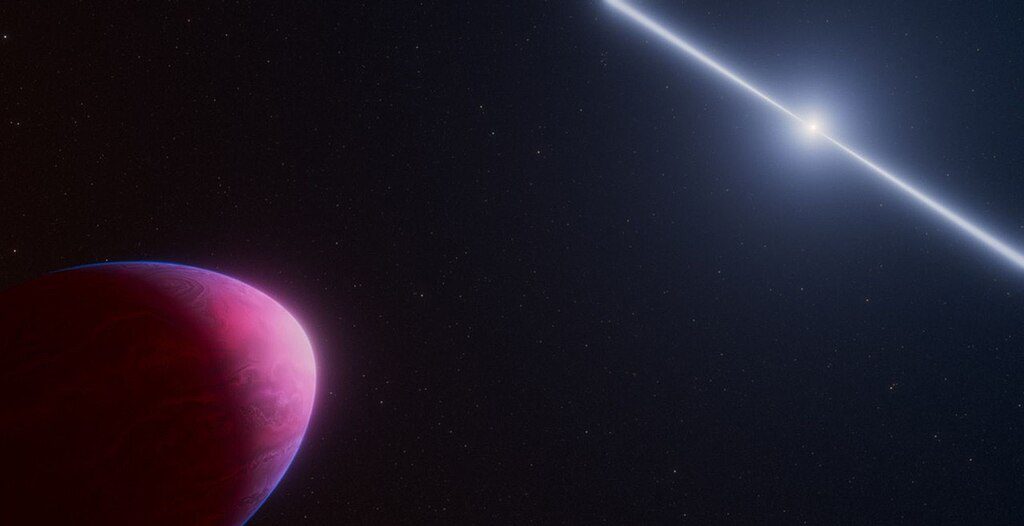
Discovery and Identification of PSR J2322-2650b PSR J2322-2650b is one of the most unusual planetary discoveries in modern astronomy and has captured global attention due to the extreme environment in which it exists. Unlike most newly discovered planets, which orbit ordinary stars similar to our Sun, PSR J2322-2650b orbits a neutron star — the ultra-dense, collapsed core left behind after a massive star explodes in a supernova. Neutron stars are [...]






Choose A City To See Local Content
- Auburn
- Phoenix
- Los Angeles
- San Francisco
- San Diego
- Sacramento
- San Jose
- Denver
- Wilmington
- Miami
- Orlando
- Tampa
- Jacksonville
- Atlanta
- Chicago
- Springfield
- Peoria
- Indianapolis
- Kansas City
- Lexington
- New Orleans
- Baltimore
- Boston
- Worcester
- Springfield
- Detroit
- Minneapolis
- Las Vegas
- Newark
- Jersey City
- Trenton
- New York City
- Buffalo
- Rochester
- Albany
- Charlotte
- Raleigh
- Greensboro
- Durham
- Cleveland
- Cincinnati
- Portland
- Philadelphia
- Pittsburgh
- Nashville
- Memphis
- Houston
- Dallas
- Austin
- San Antonio
- Fort Worth
- Salt Lake City
- Virginia Beach
- Norfolk
- Arlington
- Seattle
- Spokane
- Tacoma
- Milwaukee
- Green Bay